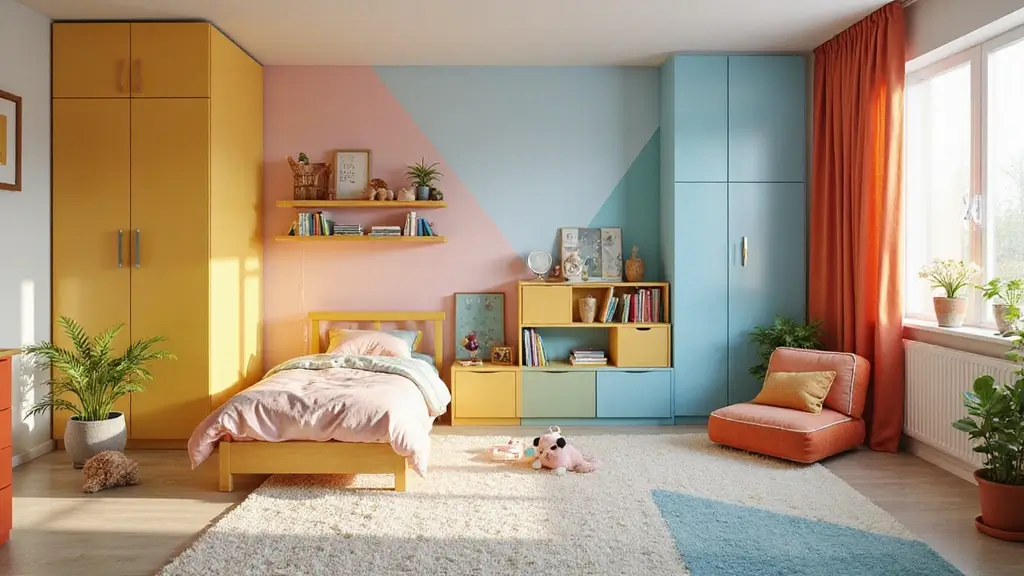
Creating a cozy corner in a kid’s room can feel like a puzzle. This post comes from nights of listening to parents who want a calmer space without blocking the whole room. Kids need a nook to read, pretend, or nap, but a heavy wall divider can make a small room feel cramped. So I pulled together ideas that are friendly to kids, easy to install, and friendly on the budget. Here is why this matters: the right divider makes a room feel calm and organized, not busy.
Who is this for? If you are a parent, caregiver, or someone decorating a child’s space, this one is for you. You care about safety, simple setups, and zones that can grow with your child. You may live in a small apartment or a busy house, and you want flexible spaces you can move or swap as interests change.
What you’ll get: 30 ideas that blend style and function. The ideas cover fabric screens, low bookcase dividers, curtain panels, modular panels, and clever storage that doubles as a divider. Each idea comes with a quick setup tip and a safe, kid-friendly material note.
How to use them: start with one removable option near the bed or desk. Choose fabrics that soften the light and add color. Pick materials that wipe clean or are machine washable. Measure your space and consider height for safety. Use soft edges and avoid cords or sharp corners.
Why it works now: cozy zones help kids focus, calm down after play, and claim their own space. A divider can cut noise too, making study time easier. Mix textures like cotton, felt, and wood for a warm feel. Use colors that match the room so the divider looks part of the design, not a break in style.
Next steps: pick two ideas to try this weekend. Document what fits your space and budget, then adjust as your child grows. If you test one approach, you may find you can combine two options into a corner that feels just right.
1. Playful Curtain Dividers
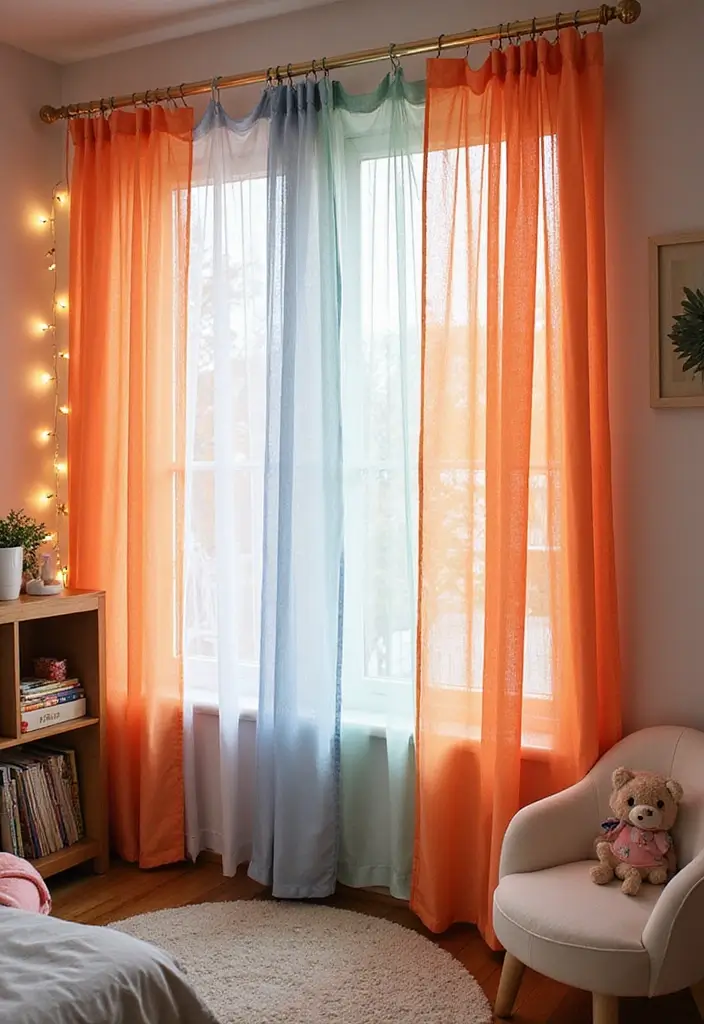
Struggling to give each kid their own cozy corner in a shared room? Curtains are a quick fix. They are cheap, easy to move, and fit any theme. They also clean up fast and stay flexible as the kids grow.
Why curtains work
Here is why curtains help a kids room. That makes a curtain divider for a kids room. Curtains give privacy in seconds. You can pull them open to make a bigger space or close them for a cozy nook. They come in many colors and patterns. The fabric adds softness and can hold fairy lights or cute decor.
What to choose
Pick curtain options that fit a busy room. – Washable materials make cleaning easy. Look for cotton, microfiber, or blends that wash well. – Color and pattern. Let your child pick a bright color or a fun print. – Curtain hardware. A tension rod makes a drill-free setup. – Layering. Use a sheer panel with an opaque one for depth.
Layering and lighting
Layering adds depth and calm. Hang a sheer panel near the bed area. Use a soft light behind the curtain for a gentle glow. Clip-on fairy lights or small lanterns work well.
Tips for setup
Measure the space first. Note width and height. Use colorful clips or ties to make it feel playful. Keep fabrics washable and kid safe.
Next steps.
2. Bookshelf as a Divider
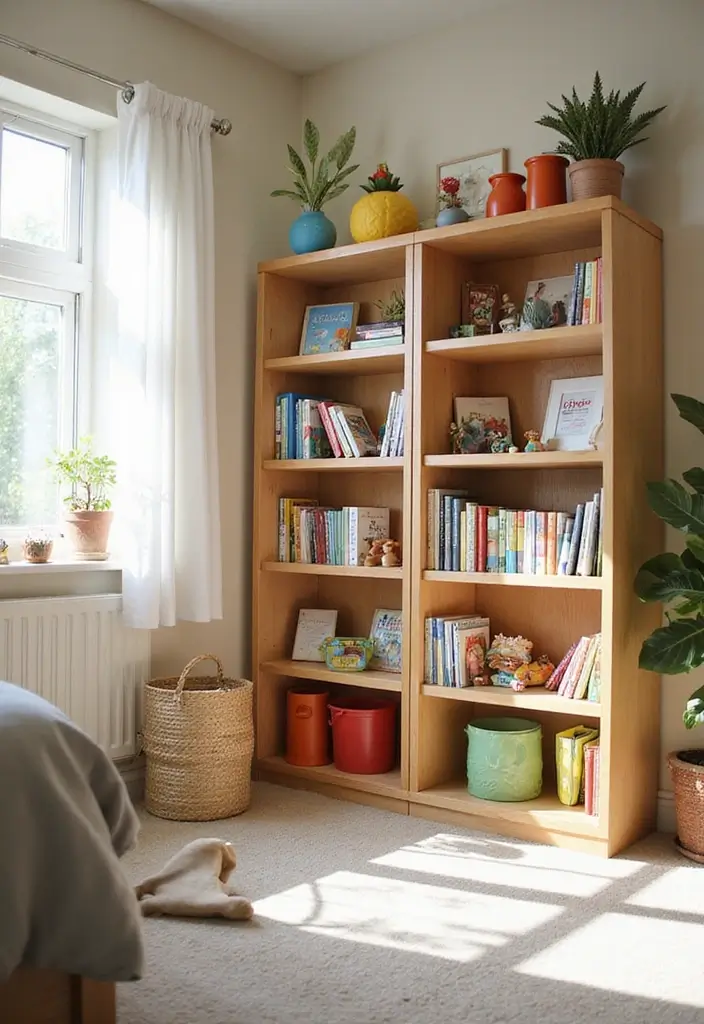
If you want a cozy corner that stays open and bright, a bookshelf divider can help. It gives you storage for books and toys while carving a soft boundary. Open shelves let light move through the room, so the space never feels boxed. Your child can show off prized collections and grab a story on the way to bed. That simple piece becomes a daily nudge to keep things tidy and read more.
Practical tips for using bookshelves:
– Choose a height that’s accessible for kids.
– Consider a slim design to save floor space.
– Use baskets or bins on lower shelves for a tidy look.
– Decorate the top with plants or fun figurines for flair.
Next steps: measure your space, pick a sturdy model, and anchor it to the wall for safety.
3. Folding Screens with Style
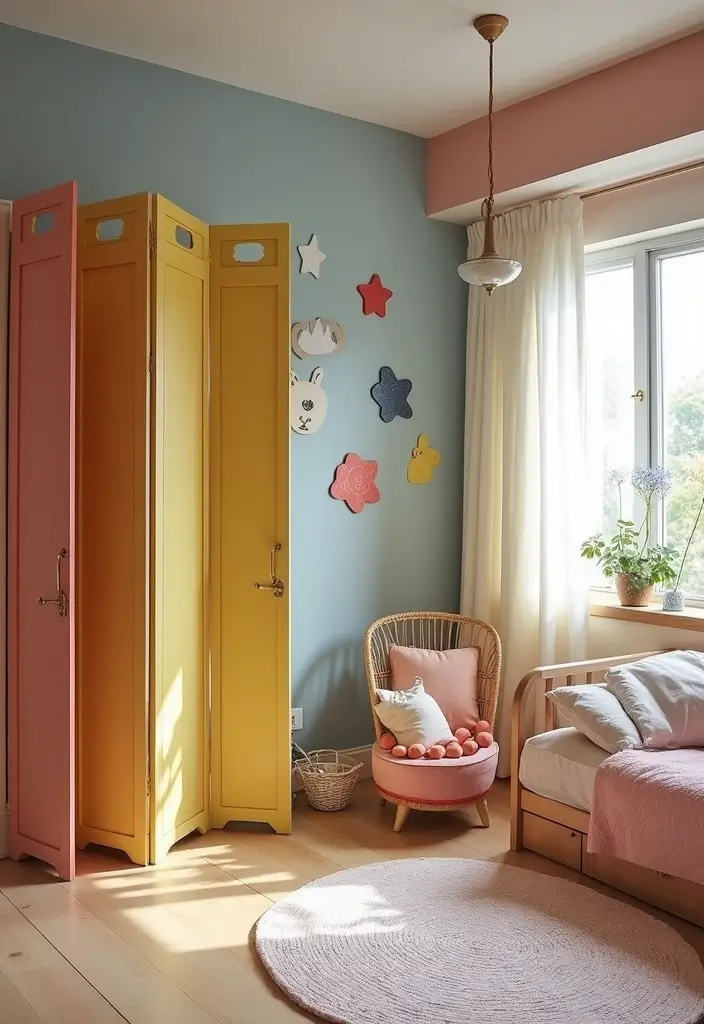
Want a cozy, private corner in your kid’s room? Folding screens do the job. They add style and a sense of calm without a big project.
Folding screens come in many designs. You can find castles and forest scenes or clean modern patterns. They are portable and easy to move as your child’s needs change.
Use one to carve out a reading nook, a quiet play space, or a little hideaway for hide-and-seek. They work great in shared rooms where space needs to flex.
– Lightweight options – Choose panels that kids can move without help.
– Match the decor – Pick colors and shapes that fit your room’s theme.
– Pockets for storage – Look for screens with small pockets to hold books, crayons, or tiny toys.
Consider materials. Fabric panels feel soft. Wood frames stay sturdy. Bamboo adds warm texture. Place the screen in a spot with good light for reading. Test for safety. Avoid screens near doors or stairs.
Storage is simple. Most screens fold flat for quick stowaway. When not in use, you can tuck them behind a door or under the bed.
Next steps? Start with one screen and see how your child uses it. Care basics: wipe fabric, fold flat, store when not in use.
With a little setup, you gain flexibility and a snug space your kid will love.
4. DIY Pallet Walls
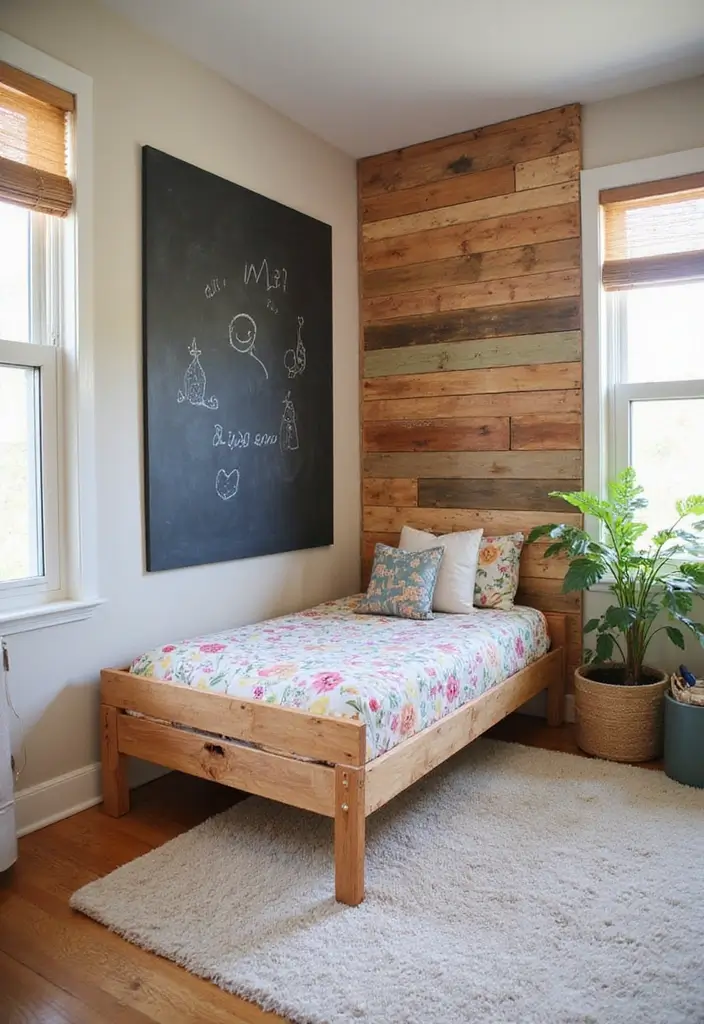
If you want a cozy kid’s room, a pallet wall can help. It splits space and adds texture. It’s cheap and easy to customize.
– Safety first. Choose clean pallets. Sand them until smooth. Use non-toxic paint or sealant. Check for loose boards and fix them.
– Plan the look. Decide if you want a full wall, a half screen, or a panel for a chalkboard.
– Build smart. Mount pallets to a light frame or secure them to the wall with strong screws. Add a bottom rail to stop wobble and a top rail for extra strength.
– Make it kid friendly. Smooth every edge. Apply a kid-safe finish. Paint softly or leave the wood natural. Put a chalkboard panel on one section for drawing and notes.
– Add simple storage. Install slim shelves between boards. Use magnets to hold art or photos.
– Keep it safe. Check screws every few weeks. Replace any damaged pieces.
– Finish ideas. A whitewash brightens the space. Soft pastels feel calm. A chalkboard panel adds function.
Next steps. Measure your space, list the materials, and plan your build.
5. Rattan and Bamboo Dividers
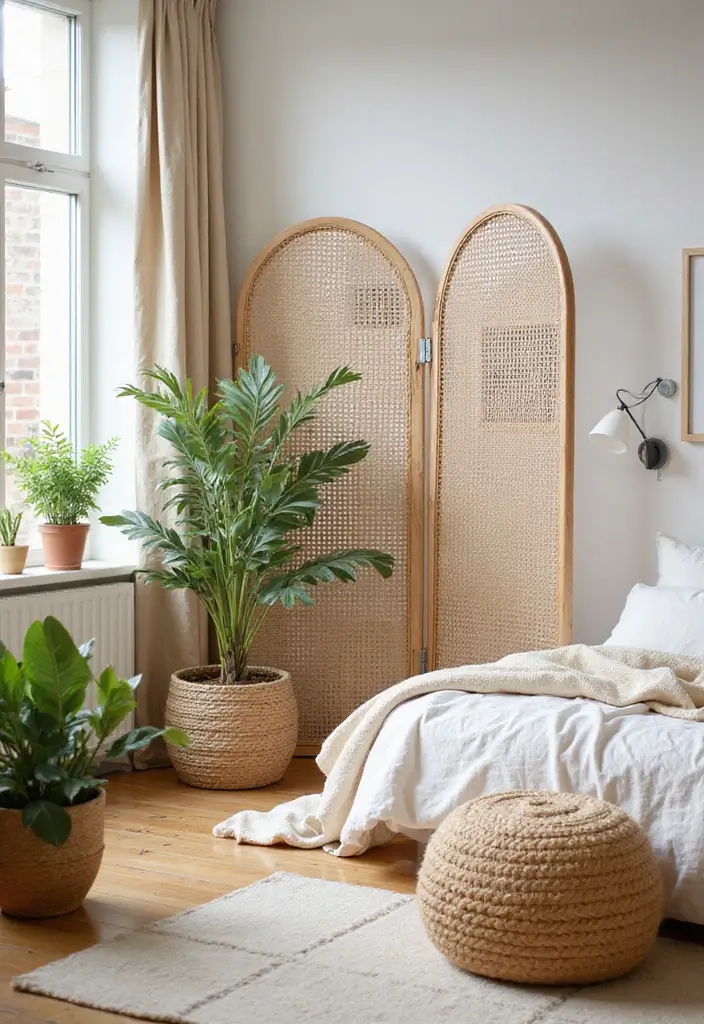
If you want cozy zones in a kid’s room, try a rattan or bamboo divider. These natural options bring warmth and texture. They let light move through, so the space stays airy while you carve out a reading nook or play area.
Here is why they work.
Key benefits
– Natural materials give a calm look that fits many styles
– They are light and easy to move, so you can reshuffle fast
– Weave patterns add texture without clutter
– They pair with small plants for a soft green touch
– They hold up to kids and wipe clean easily
How to pick and place
– Choose lightweight panels with rounded edges for safety
– Pick a weave that matches your room color and vibe
– Use a natural wood tone or a soft white to fit your theme
– Place the divider near a reading corner or study spot, with space to walk
– For extra steadiness, lean it against a wall or use a freestanding design
Care and safety tips
– Dust with a soft cloth regularly
– Wipe with a damp cloth if needed, then dry quickly
– Check for loose strands and fix them right away
Next steps: test a few spots in the room and see how the divider changes the feel
Create cozy zones with rattan and bamboo dividers – where nature meets play! Let light in while adding warmth and texture, making every reading nook or play area feel just right.
6. Magnetic Chalkboard Walls
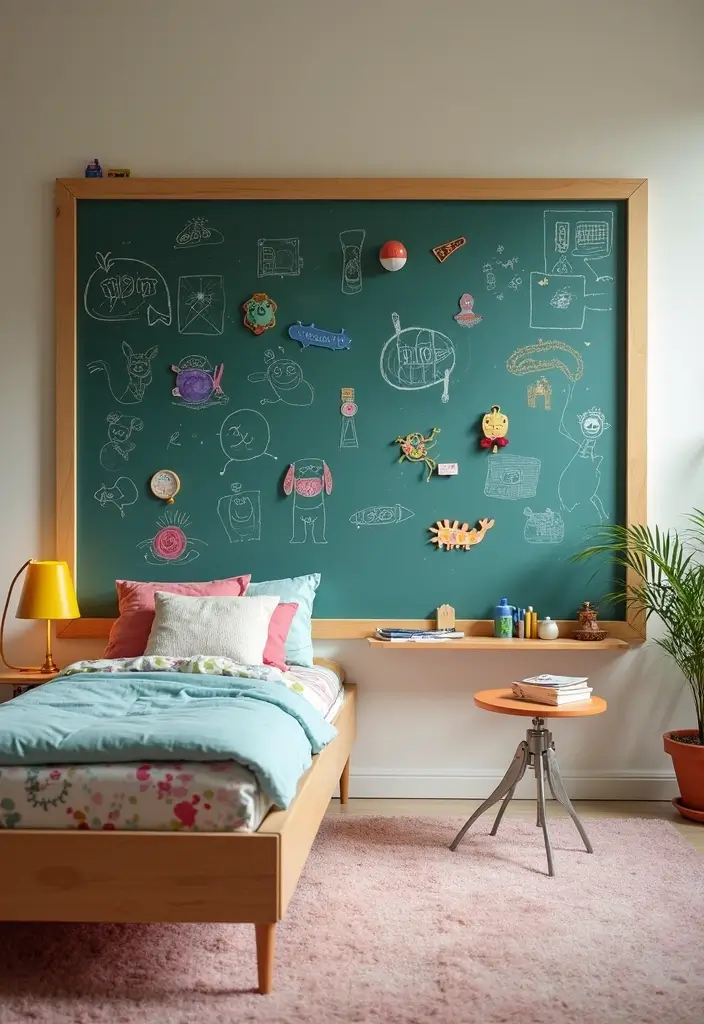
Are you looking for a way to carve out cozy spots in a kids’ room without blocking the flow? A magnetic chalkboard wall as a room divider can do that. It creates a soft boundary for rest and play while keeping the room light and connected. Your child gets a place to draw, plan, and post notes all in one handy space.
Here is how it works and how to set it up.
– Use magnetic paint as the base so magnets stick without trouble.
– Finish with chalkboard paint on top so they have a big writing surface.
– Keep the writable area at kid height so they can reach every day.
– Pair with bright chalk and a dozen magnets to spark ideas.
Setup steps you can copy:
1) Pick a wall that separates sleep from play but still lets in light.
2) Clean and roughen the surface so the paint sticks well.
3) Apply several coats of magnetic base paint. Let it dry completely.
4) Add chalkboard paint in your chosen color. Let it cure per the can’s instructions.
5) Seal with a clear top coat if you want easier cleanups.
6) Stock a bucket of colored chalk and magnet shapes for quick daily use.
Ways to use it: hang a weekly schedule, display kid art, or leave fun notes for family. Next steps: gather supplies, pick a height, and start painting.
7. Transparent Acrylic Panels
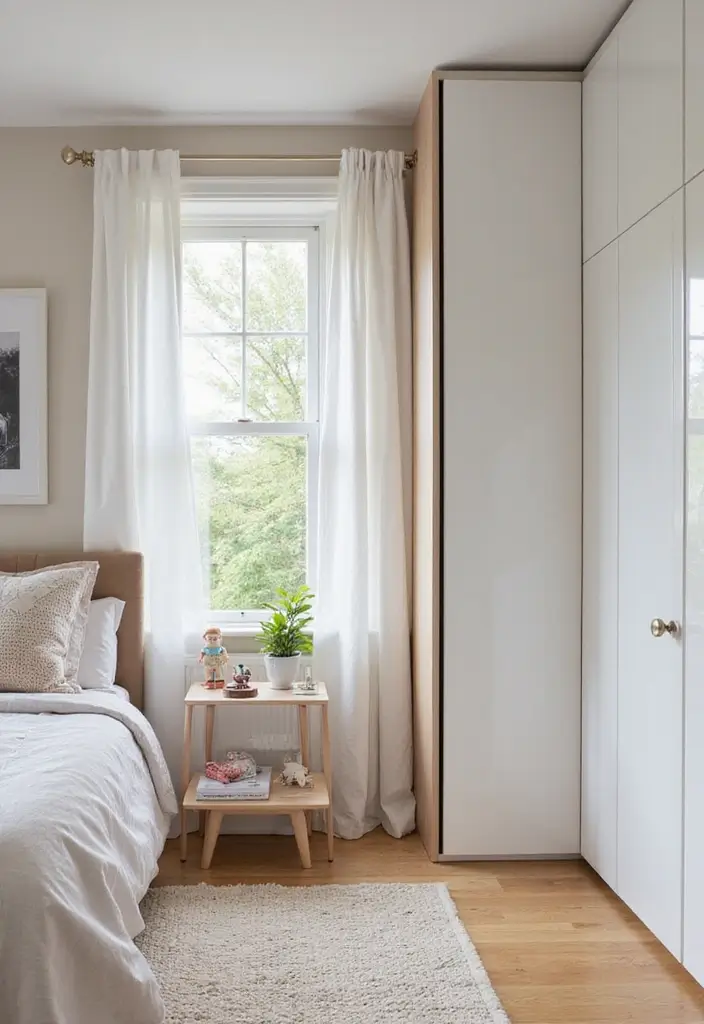
Looking for a room divider that keeps a kid’s space bright and open? Transparent acrylic panels fit that need. They split a room into cozy zones without blocking light.
Here is why they work:
– Light stays bright. Clear panels let sun and lamps glow travel through.
– Easy care. A quick wipe keeps fingerprints away.
– Style choices. Pick clear or frosted finishes, with or without frames, to match any decor.
– Quick decorating boosts. Add a small plant, a string of lights, or a rug nearby for charm.
How to use them:
– Choose the right thickness. About 4–6 millimeters is sturdy yet light.
– Edge and safety. Polished edges and rounded corners protect little fingers.
– Pick a mounting style. Freestanding panels with slim connectors look airy, or mount to the wall for a solid divider.
– Safety setup. Secure panels to a frame or anchors so they don’t tip.
Care and layout tips:
– Put them where natural light can reach both zones.
– Keep air flow. Don’t seal a play area behind a solid wall.
– Cleaning rule. Warm water and a mild soap work well; dry with a soft cloth.
Limitations:
– Scratches can happen. Handle with care and avoid sharp objects near the surface.
Next steps:
– Measure your space, pick a finish, and plan where the divider will live so kids can move safely and freely.
8. Colorful Foam Panels
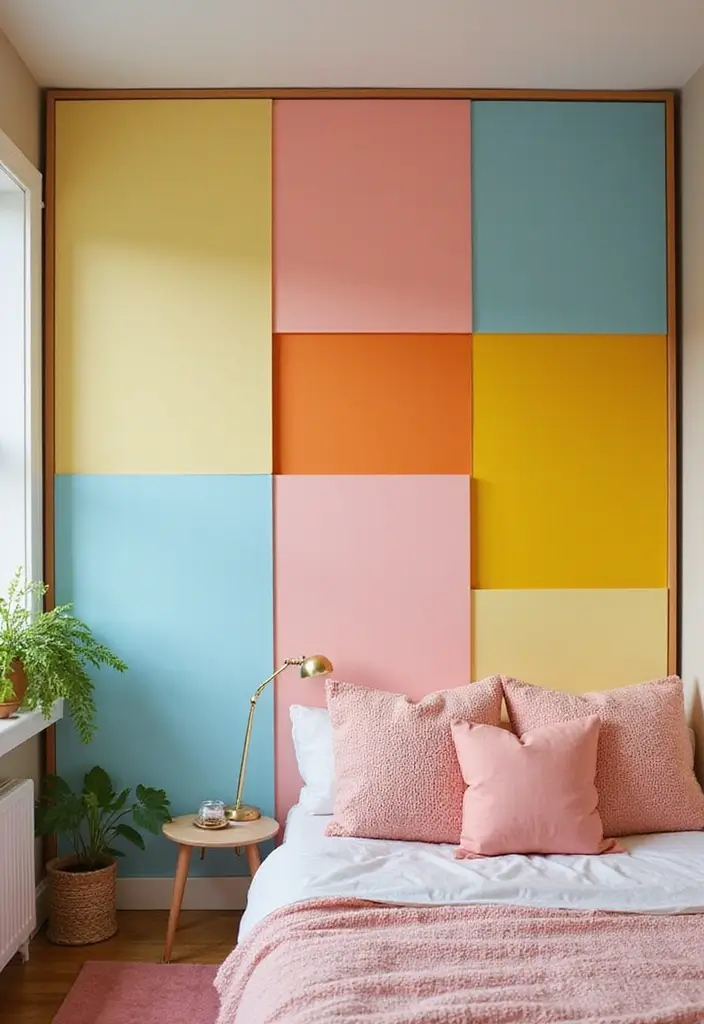
You want a room divider that helps a shared kid’s room stay calm and playful. Colorful foam panels fit that need. They split space without making the room feel crowded.
Benefits at a glance
– Lightweight and easy to move.
– Bright colors spark kid-friendly energy.
– Sound dampening softens voices.
– Soft panels reduce bumps.
Setup tips
– Secure to wall or floor with sturdy mounting hardware.
– Mix colors to create a lively, inviting look.
– Pair panels with a rug, curtains, or shelves to tie the room together.
– Place panels within kids’ reach so they can move and rearrange them themselves.
Placement ideas
– Line panels along a wall to form a colorful divider.
– Create a curved or zigzag barrier to carve out a cozy corner.
– Use a small cluster near the bed to soften noise at night.
Care and limits
– Wipe with a damp cloth to remove dust.
– Check mounting every few weeks and tighten if needed.
– Keep panels away from open flames and heat sources.
Next steps: Try a handful of panels in a corner and see how the space feels; you can swap later as your child grows.
Keep it simple and adjust as your child grows.
Colorful foam panels not only divide space but also bring joy and creativity into your kids’ bedroom. Create cozy spaces that inspire play and calm, all while keeping safety in mind!
9. Vintage Suitcase Stack
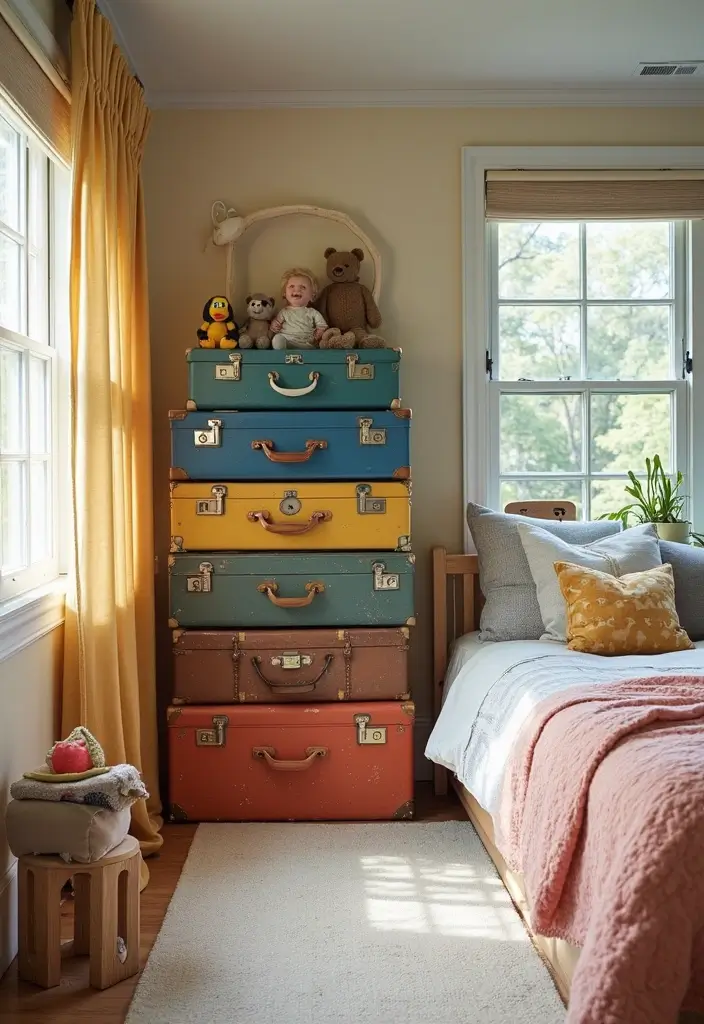
You want a room divider that also hides clutter. A stack of vintage suitcases fits that need. It brings warmth and a touch of whimsy to a kid’s bedroom.
Here is how to pull it off.
– Gather suitcases in different sizes and colors.
– Mix leather, fabric, and metal corners for texture.
– Choose mostly lightweight pieces for easy handling.
– Clean the outside of each piece.
– If you plan to store toys inside, line the lining with soft fabric.
– Build the tower. Start with the largest suitcase on the bottom. Add smaller pieces on top. Use small anti-tip brackets or a thin strip of non-slip material between layers. Secure the stack so it won’t wobble.
– Top it off. Use the highest surface for a decorative lamp, a plant, or a favorite stuffed animal.
– Use it for storage. Inside, place labeled bins or fabric cubes. You can also store books on the upper shelves.
– Safety first. Check for loose handles. Make sure nothing can tip over and cords stay away from little hands.
– Quick style ideas. Paint the edges in a color that matches the room or add decals for a personal touch.
A vintage suitcase stack creates a cozy, lived-in vibe in any shared bedroom.
10. String Light Curtain
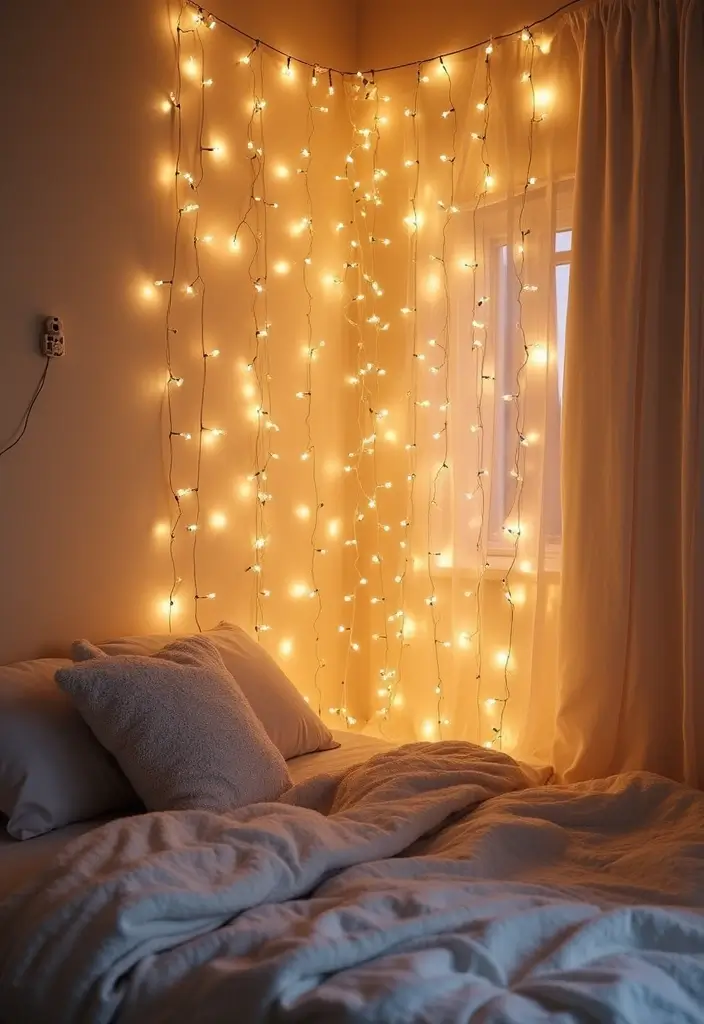
Looking for a way to carve a cozy corner in a kid’s room without closing off the flow? A string light curtain can do it. It adds a soft glow and a touch of magic while acting as a gentle room divider. Your child gets a special zone for reading, chats, or quiet time, and you keep sight lines open.
Here is why it works:
– It creates a warm, inviting atmosphere that helps with bedtime routines.
– The glow works like a night light and eases kids into sleep.
Next, setup tips you can use today:
– Choose safe lights. Use warm white LEDs with low voltage. Pick battery-powered or plug-in options with a small adapter.
– Where to hang. Attach from a curtain rod or ceiling hooks. Keep the strand away from feet and hands.
– Layer with softness. Add a sheer curtain for a dreamy cocoon effect.
– Hide and manage cords. Clip strands along the edge or tuck cords into a cord channel.
– Check safety. Make sure bulbs stay cool. Avoid damp areas and unplug when not needed.
This setup gives you a cozy glow that feels welcoming, not crowded. It’s simple to install and easy to change as your child grows. Ready to try? Gather lights, a rod or hooks, and a plan, then install and enjoy the glow.
11. Fabric Panels with Fun Patterns
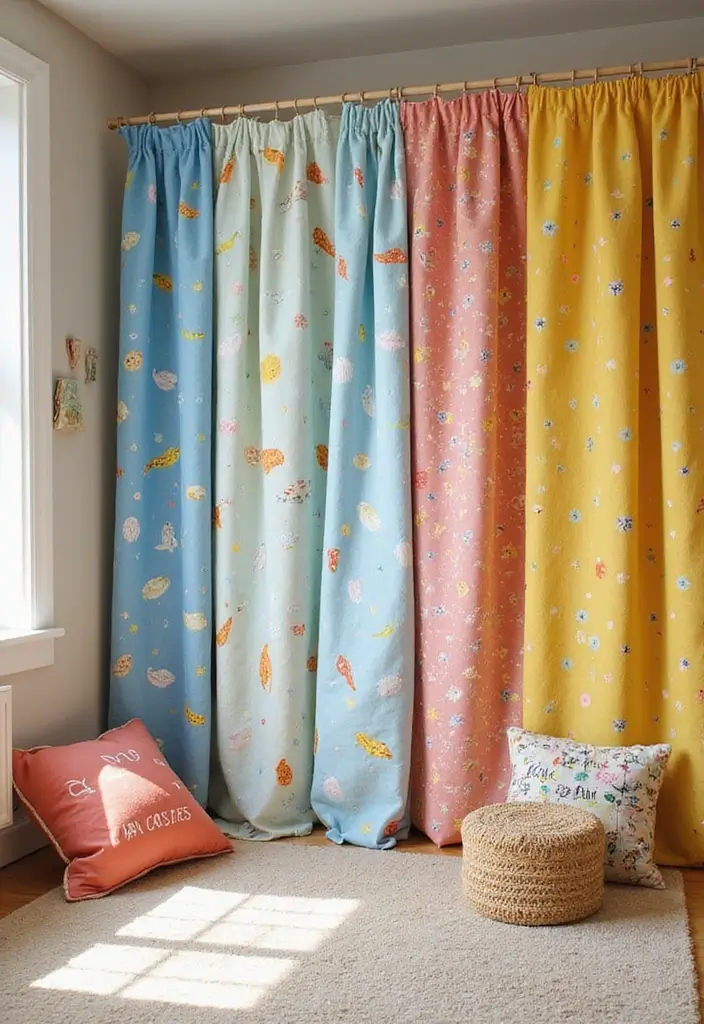
Fabric panels are a simple, kid-friendly room divider. They add color and a soft, cozy feel. You can hang them from a rod or a light wire kit, so you can move them as the room grows.
Here is why they work: a small panel can turn a blank wall into a themed corner for reading, drawing, or quiet play. Choose patterns your child loves, from superheroes to animals to space, or go for bright, bold colors.
Tips for choosing fabric panels
– Pick washable fabrics so spills and smudges are easy to clean.
– Layer with different textures like cotton, felt, or a touch of velvet for depth.
– Use clips or ties so the panel opens and closes without a fuss.
– Check the size and fit. Measure the space and pick a panel that covers the area you want, plus a little room to breathe.
Maintenance and setup
– Regular gentle washing keeps the colors bright.
– A quick dusting with a soft cloth helps keep it fresh.
– To install, hang the panel on a simple rod or secure wire, and let kids help place it.
Pairing ideas
– Match the panel to bedding, rug, or wall art for a cohesive look.
– Mix two or three patterns for a playful, layered feel.
Next steps
– Start by measuring your wall, list a few favorite patterns, and pick a washable fabric. Then plan a quick, kid-friendly setup this weekend.
12. Puppet Theatre as a Divider
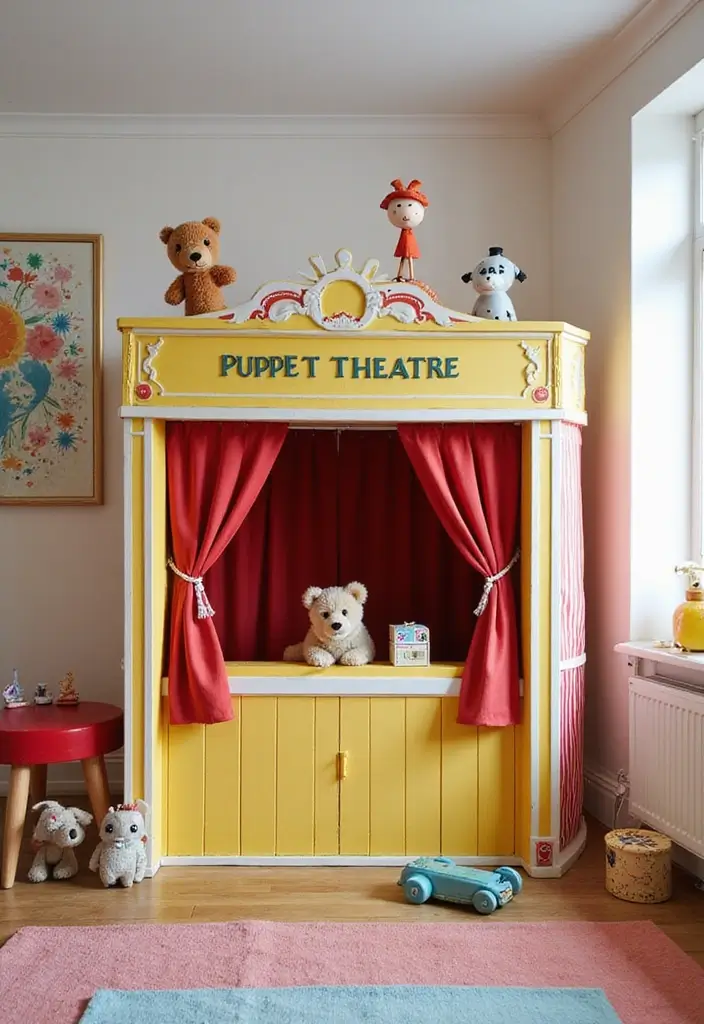
You want a room that feels cozy and organized. A puppet theatre as a divider can give you both. It splits space and adds a stage for stories. Your kids get a corner for shows.
Why this idea helps
– It makes two zones with one piece.
– It sparks daily pretend play.
– It hides toys in the storage under the stage.
– It keeps the room lively without feeling crowded.
How to build it
– Pick a puppet theatre that is sturdy and tall enough to see clearly.
– Choose colors or characters your child loves.
– Attach it to the wall or place it on a stable base.
– Use the space under the stage for toy boxes.
Tips for making it safe and cute
– Use soft fabrics that are easy to wipe clean.
– Add simple curtains or a painted backdrop for different scenes.
– Keep the stage height within reach for quick shows and tidy ups.
Common questions
– Will it fit in a small room? Yes, choose a compact version with built storage.
– How do I keep it steady? Anchor to the wall and use a wide base.
– How do you clean it? Wipe fabrics and dust wood.
Next steps
– Measure your space.
– Pick a style your child can grow with.
– Start small, then upgrade.
13. DIY Folding Room Partition
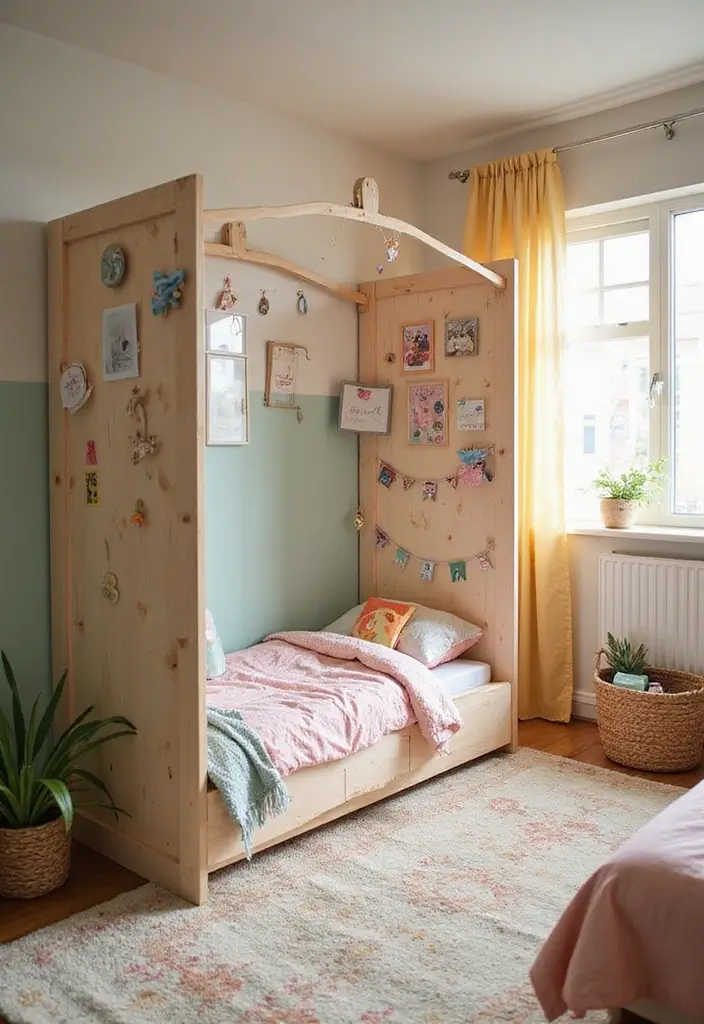
Looking to carve out a cozy, private space in a shared kids’ room? A folding room partition can do it. It fits your space and style, and it folds away when you don’t need it. Best of all, your child can help bring it to life. Use this simple plan to build a light, kid-safe divider.
What you’ll need
– Lightweight panels (foam board, thin plywood, or fabric-covered frames)
– Hinges to connect panels
– Non-toxic paint or removable fabric for color
– Soft edge trim or felt to cover corners
– Optional pockets or hooks sewn into the fabric
Steps to build
1) Measure the room and decide how many panels you want. Two to three panels work in most spaces.
2) Choose a folding style. A hinged screen stays flat when folded and stacks neatly.
3) Assemble panels and attach hinges. Check that folds are smooth and even.
4) Decorate. Use kid-safe colors or removable fabric to match the decor.
5) Test the fold. Practice opening and closing, and move it around to see fit.
6) Add safety touches. Round corners, secure loose parts, and keep it away from heavy furniture.
Kid-friendly tips
– Let your child pick colors.
– Use magnetic clasps to hold panels steady.
– Cover edges with soft fabric for a cozy feel.
14. Repurposed Crib as a Divider
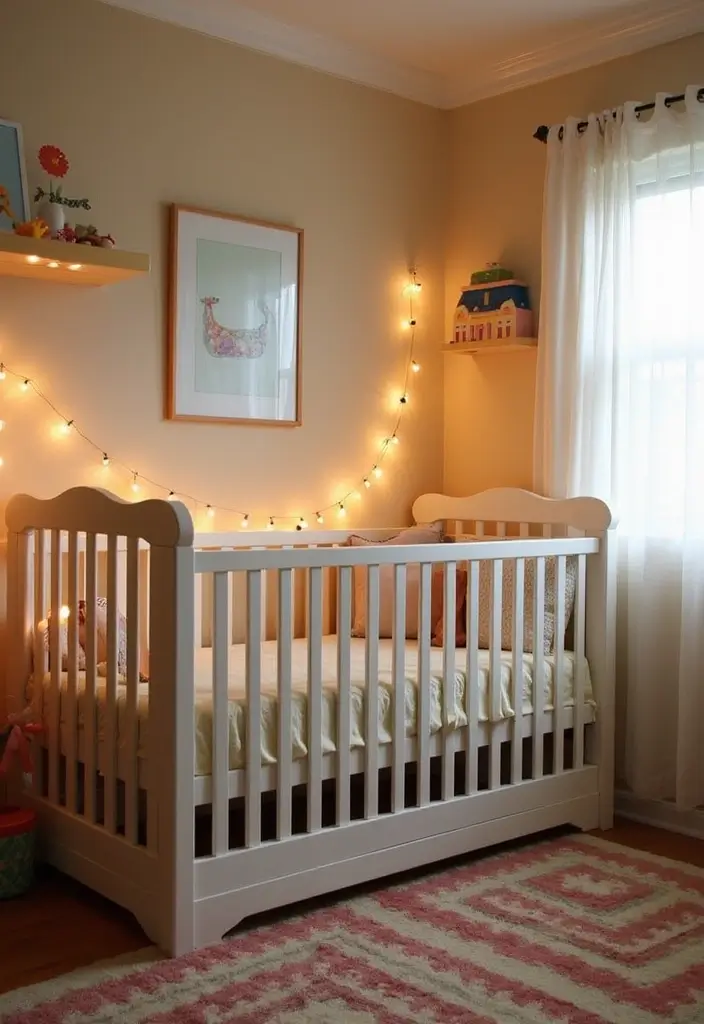
If you want cozy zones in a kids bedroom, repurposing a crib as a divider can help. It gives you a gentle barrier and keeps light flowing through the room. It can also hold a memory from a time when your child slept there.
Here is why this works: a crib on its side becomes a low wall that marks spaces for play and study without closing in the room. It is cheap, easy to move, and sparks a playful look.
Steps to turn a crib into a divider
– Sand the wood until it feels smooth and free of rough edges.
– Paint or stain to match your decor. Use a finish safe for kids.
– Set the crib on its side against the floor, then bolt or strap it to a wall for stability.
– Add small shelves or hooks on the inside or outside to hold books, hats, or small toys.
– Decorate with fairy lights or a string of photos clipped along the rails.
Next steps: check for loose parts and round any sharp corners. Keep cords away from little hands and avoid heavy items that could tip. When done, this repurposed crib creates a friendly, light way to separate play and rest zones.
This idea fits many styles, from cozy farmhouse to bright modern.
15. Greenery as a Divider
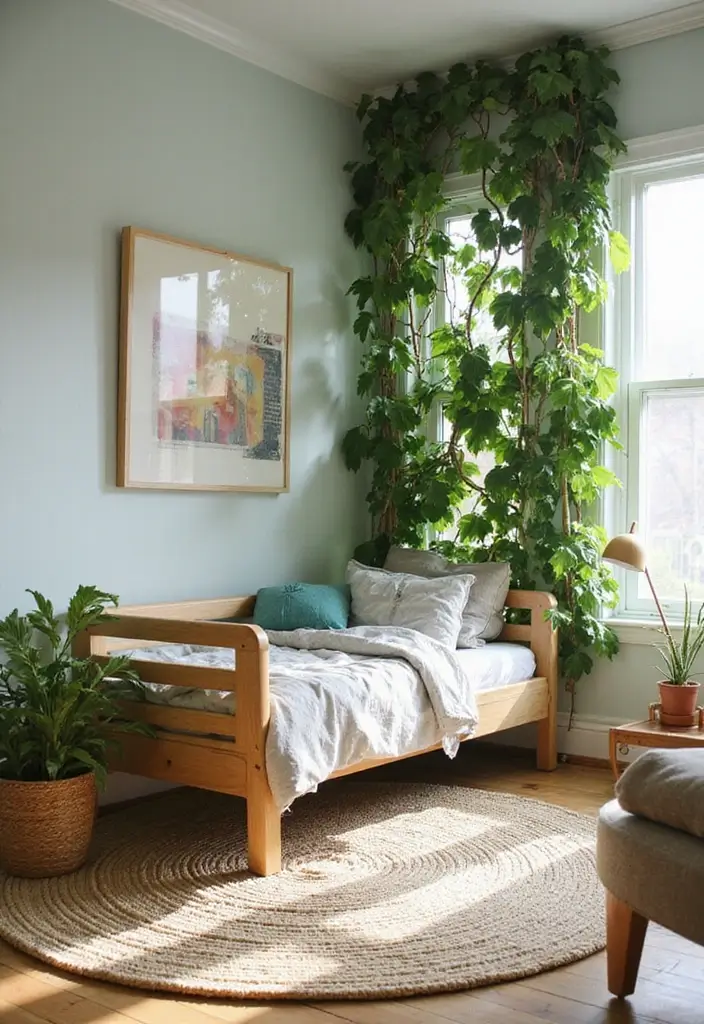
You want a soft divider in a kids’ bedroom that stays neat and friendly. Greenery works as a gentle boundary while keeping light in and color in play. Tall pots or hanging planters create a natural wall you can see through. Plants bring life and a bit of calm to the space. They can also freshen the air, which helps a small room feel bigger.
Here is why greenery makes sense as a divider:
– Low-maintenance choices: Pick easy indoor plants that tolerate the room’s light and occasional watering.
– Colorful pots: Use pots that match the room theme to make the border feel intentional.
– Vary heights: Put tall plants in corners and shorter ones on shelves for a layered look.
– Safe placement: Keep plants where little hands can’t grab soil or leaves, and choose non-toxic options when possible.
– Care habits: Set a simple routine: water once a week, wipe dusty leaves, rotate pots every few months.
Next steps: Arrange a few plants to form a gentle line that guides the eye from bed to desk. You gain a cozy, inviting zone and a small lesson in care for your kids. It’s a practical, stylish choice that fits current trends.
16. Hanging Fabric Art
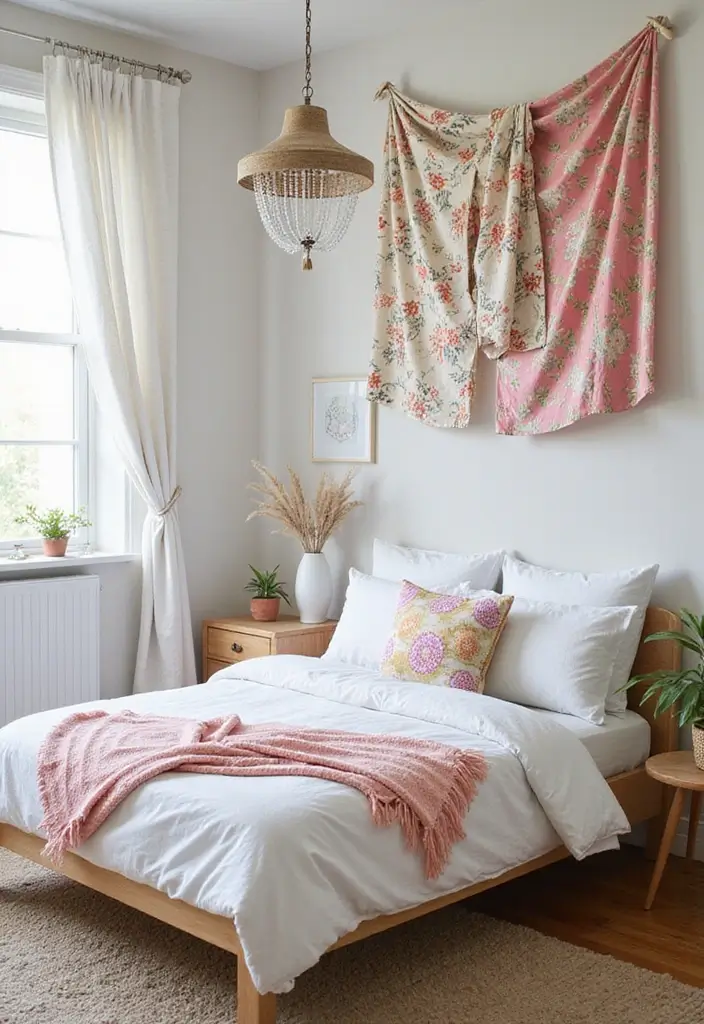
Looking for a soft way to split playtime from sleep time in a kid’s room? Hanging fabric art can do both. It creates a gentle barrier that still lets light come through. You can swap it as your child’s tastes change.
<What to choose>
Pick fabrics your child loves—colors, patterns, or characters that fit the room theme. Go with cotton, cotton blends, or lightweight linen for easy handling. Choose fabrics that wash well and last through busy days. Sheer panels let light pass while keeping zones distinct.
<Tips for implementation>
– Use lightweight rods or simple clips to hang the fabric.
– Leave space between pieces so air can move and the room stays bright.
– Rotate fabrics every few weeks to refresh the look without buying more.
– Secure the panels well so they stay in place during active days and play.
Styling ideas>
– Layer a sheer panel behind a solid fabric to add depth.
– Let the fabric hang in soft folds or hang straight for a clean line.
– Tie colors to the bed linens or rug to tie the room together.
Maintenance and safety>
– Choose fabrics that wash easily.
– Mount rods to wall studs or use strong anchors for safety.
– Avoid long, loose pieces near the bed to prevent snags.
This simple fabric wall can adapt as your kid grows and as the room style shifts. Next steps: pick a favorite color or print, grab a rod and clips, and start layering your soft divider today.
17. Canopy Tents as Cozy Spaces
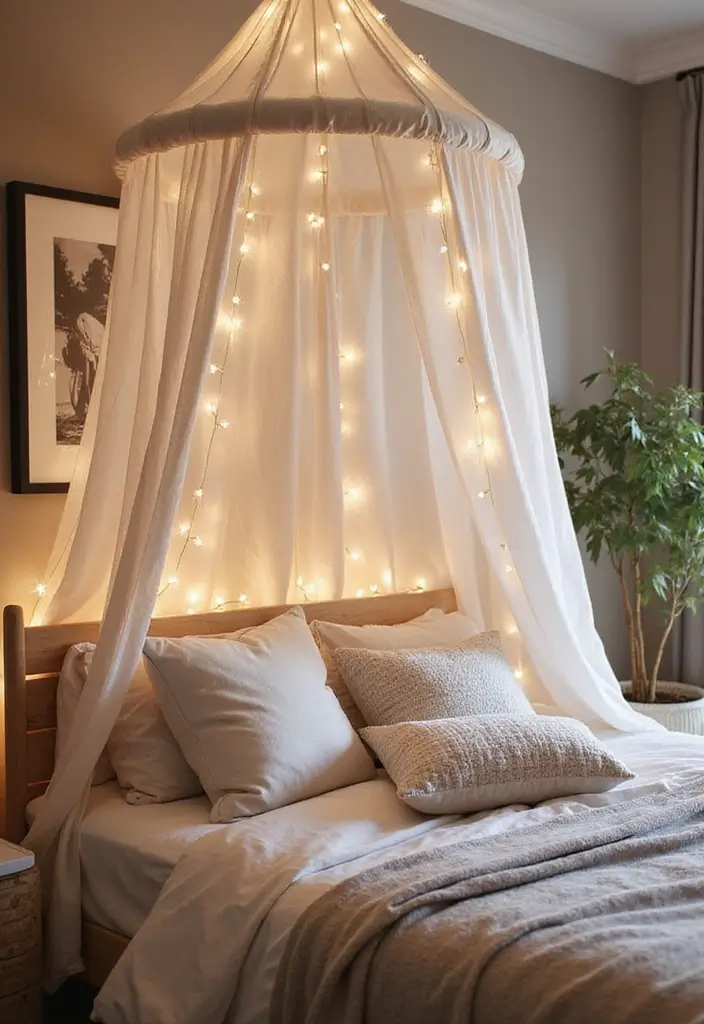
Canopy Tents as Cozy Spaces
You want a space in a kid’s room that feels calm and private. Here is why a canopy tent helps: it acts as a soft divider and a personal hideaway for reading or play. It’s easy to move if you rearrange a shared room.
Here is how to pick one.
– Choose a fabric that looks cheerful and wipes clean.
– Look for a light frame that is simple to set up and take down.
– Check the height so there is space to sit and play without feeling crowded.
Next steps to set it up.
1) Clear a small area and place a comfy rug inside.
2) Secure the tent so it won’t tip. Use non-slip mats or clips to keep it grounded.
3) Drape warm lights along the top or around the entrance for a soft glow.
4) Fill the interior with throw pillows, a thin blanket, and a couple of stuffed friends.
Smart decorating tips.
– Pick colors and patterns that match the room but still feel like a mini world of their own.
– Add a low shelf or basket outside to tuck in books and toys.
– Keep the space tidy with a quick daily reset.
In short, canopy tents create a dreamy, cozy corner in a shared bedroom without taking over the whole room.
18. Stylish Metal Grates
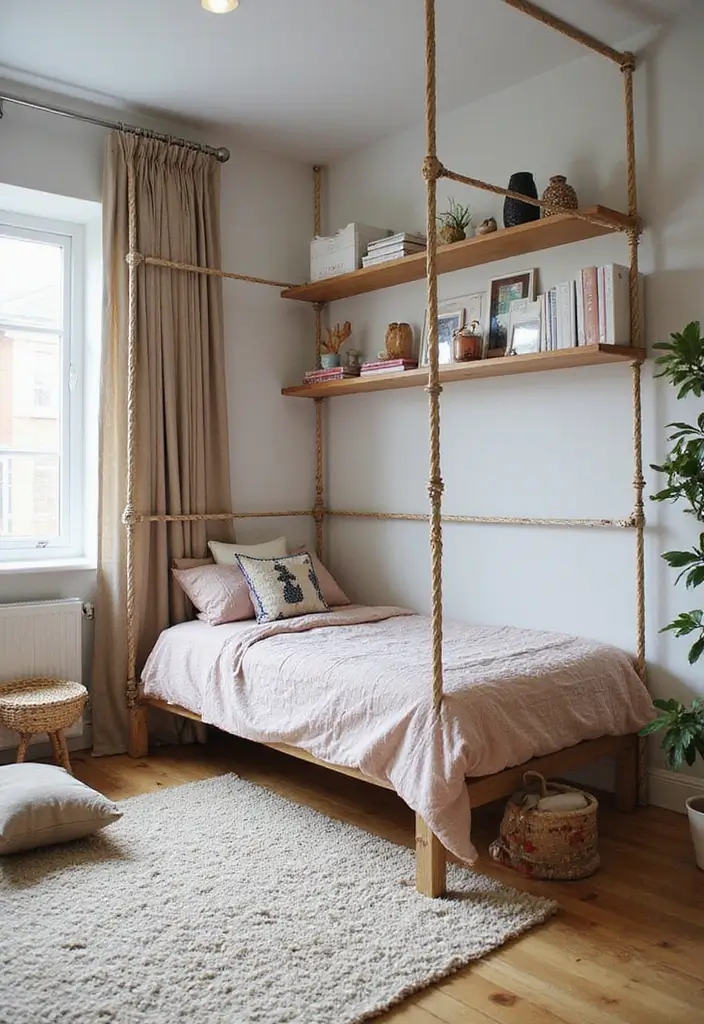
Stylish Metal Grates
You want a modern look for your kid’s room and cozy spaces. Metal grates give that vibe with open sight lines. Here is why they work as room dividers.
Metal grates are flat panels with a grid or pattern of cutouts. They can hang on a wall or stand like a screen. Choose a powder-coated finish in a soft color or a bold shade your child loves. Safety first—make sure edges are smooth. Sand or bevel any sharp spots. Use sturdy brackets or a stand to keep it steady.
Here is how to style them. Layer the grate with a light curtain, a small book shelf, or a comfy rug on the other side. Add a warm lamp or LED strip behind the grate to glow softly. The result is a defined zone that still feels roomy.
Size and color ideas. For a playful nook, use smaller panels. For a bigger divider, pick a wide panel. Pastel tones like mint or blush fit many styles. Gray or white works with most schemes.
Next steps. 1) measure the space 2) choose safe edges 3) mount with proper hardware 4) add soft lighting.
Care tips. Wipe with a damp cloth. Avoid harsh cleaners.
19. Wooden Lattice Divider
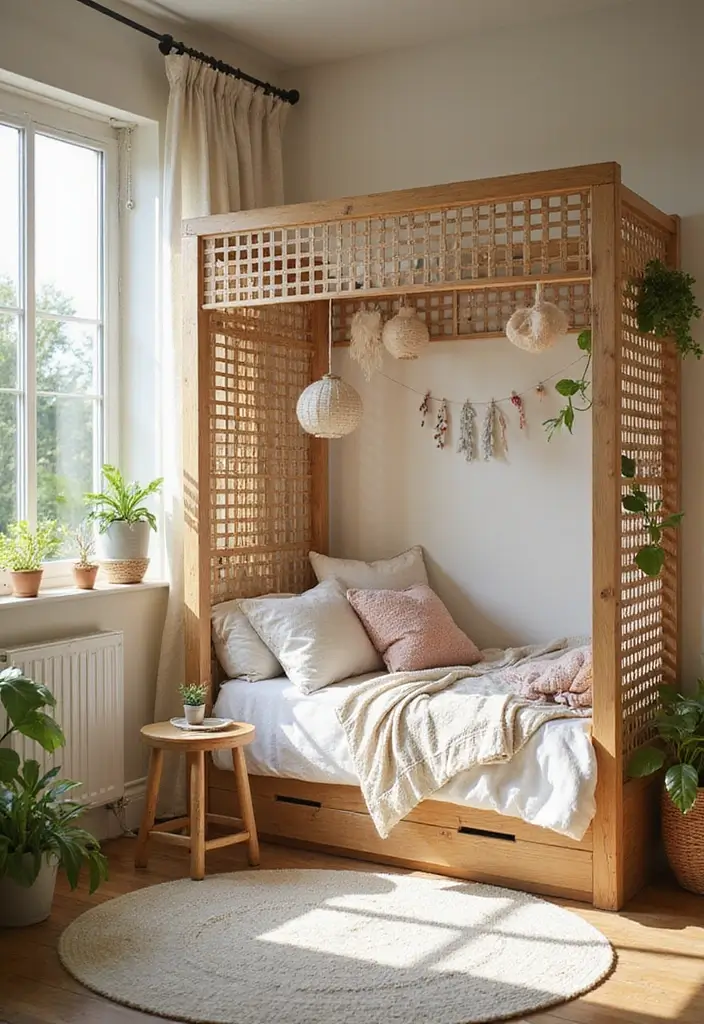
You want a room that feels cozy for your kid but stays open for play. A wooden lattice divider gives that warm, rustic look while light still moves through. It creates a soft boundary without making the space feel closed in.
This style fits well in a kids bedroom. It can hold favorite artwork, photos, or small plants, and it acts as a gentle backdrop for reading corners or cozy nooks. You get a decorative screen that also sparks personal touches and little adventures in the space.
Here is how to style it:
– Finish: Leave the wood natural or paint to match the room’s color scheme.
– Display: Use the lattice as a frame for artwork, crafts, and hanging lights.
– Safety: Secure it firmly to the wall or floor to prevent tipping.
– Decor tricks: Add a slim shelf or hooks to hold tiny plants or keepsakes.
Next, pick and place it with care.
– Choose a size that fits the bed area and walking space.
– Pick smooth, kid-safe wood and sand rough edges.
– Seal with a non toxic finish for easy cleaning.
– Put it where sunlight creates a warm glow in the afternoon.
– Check anchors weekly and keep nails low to the wall.
Next steps: try string lights behind the lattice for a soft halo, pair with a cozy rug, and keep the setup stable as your child grows.
A wooden lattice divider is your secret to creating cozy spaces in kids’ bedrooms. It not only adds warmth but also invites creativity and adventure into their playtime!
20. Magnetic Whiteboard Wall
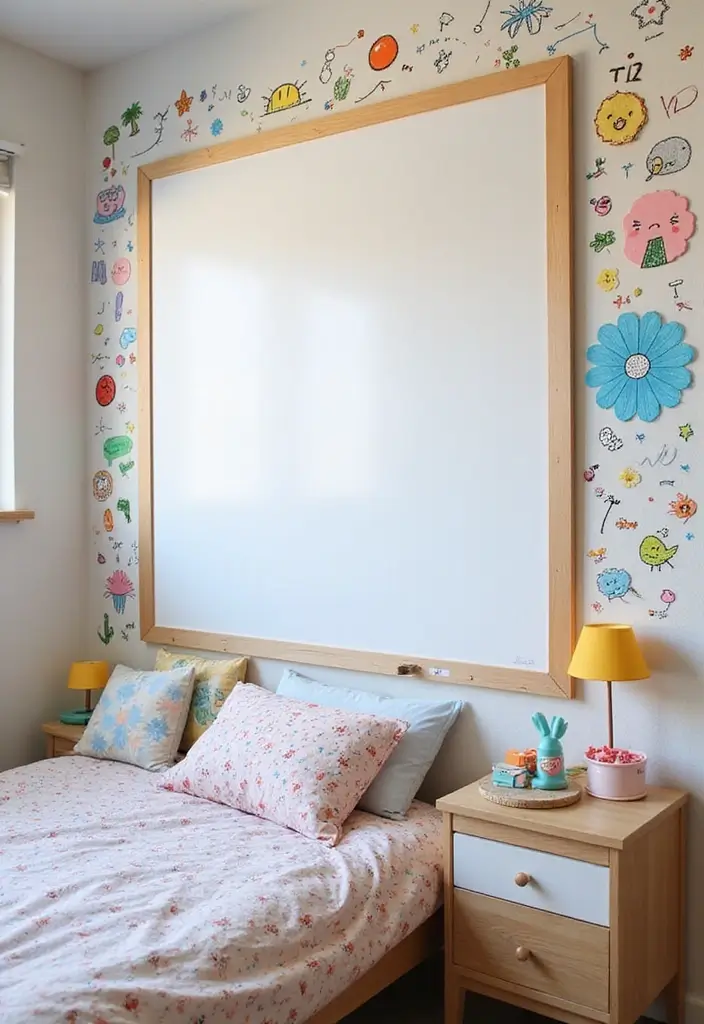
Why a magnetic whiteboard wall makes a good divider
You want a kid friendly boundary that also sparks creativity. A magnetic whiteboard wall gives both. It marks space clearly and invites play at the same time. Your child sees a place to draw, write messages, and pin up favorite art. This wall becomes a canvas for planning, chores, and jokes.
How to set it up
– Pick a wall that’s easy to reach. Place it where you can swap art with a quick wipe.
– Choose the surface. Use magnetic paint, a whiteboard panel, or a magnetic board that fits your room style.
– Mount it securely. Use studs or a backing so it stays flat.
– Stock the area. Keep washable markers, an eraser, and a bowl or magnet tray for small magnets.
– Add color. Use bright magnets and border stickers to make the space feel cozy.
Tips for keeping it useful
– Washable markers make cleanup simple after art time.
– Set a mini routine like draw in the morning, erase at night.
– Let magnets hold photos, lists, or little notes from family.
Pros and limits
– You gain a flexible boundary that doubles as a creative station.
– It requires some setup and regular cleaning to keep it neat.
21. Decorative Room Divider Screens
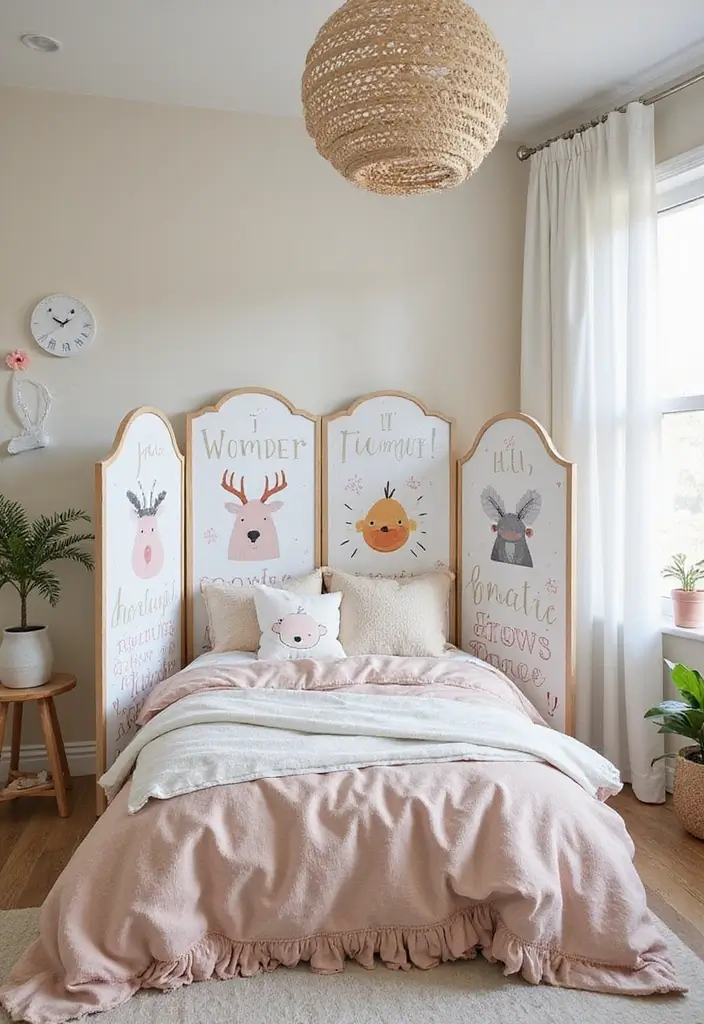
You want to carve cozy zones in a kids’ room without blocking light or the fun vibe. Decorative room divider screens can do that in a simple, stylish way.
What decorative room divider screens do
They split space without walls. They add color, pattern, and a touch of whimsy. They help you create focus areas for reading, homework, or quiet time.
Why they work for kids
Screens are light to move. You can shift them as your child grows or as the room changes. They give texture and interest while keeping the room open and cheerful.
How to pick the right screen
– Choose lightweight panels so you can move them easily.
– Pick colors that fit the room’s scheme.
– Look for prints that match your child’s interests, like animals, space, or adventures.
– Consider washable fabrics or removable covers for easy cleaning.
Smart ways to place screens
Place a screen near a reading corner to form a cozy nook. Use two or three screens to frame a small study area. Stand screens behind a bed to soften the backdrop and soften lighting in the evening. Foldable or hinged screens let you reconfigure space in minutes.
Care and maintenance
Fabric screens wear well with washable covers. For wood or bamboo screens, wipe gently with a damp cloth.
Here are quick ideas to get you started:
– Create a quiet reading spot behind a decorative screen.
– Build a study corner by the window with a slim divider.
– Frame play zones to keep toys contained.
– Add a removable fabric panel as a wall art backdrop.
22. Art Wall Collage as a Divider
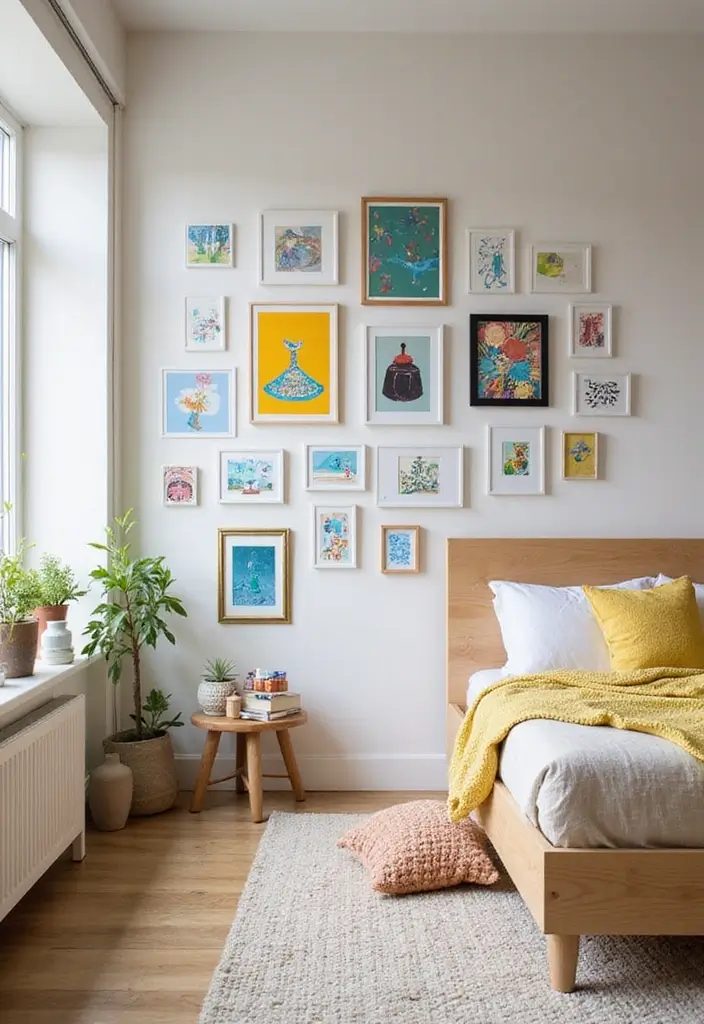
Want a cozy divider in a kid’s room that also sparkles with art? Try an art wall collage that acts as a visual screen between spaces. You get a personal nook without building walls.
What you’ll need
– corkboards or magnetic boards
– a collection of kid-friendly frames in 2–3 colors
– clips, string, or a wire grid
– soft lighting such as tiny fairy lights
– lightweight art pieces you can pin up or swap out
Step-by-step setup
1) Pick a wall you want to separate, like the bed area from the play zone.
2) Choose a color family or theme, so the collage feels calm.
3) Hang frames in a tidy grid or mix sizes for energy. Clip or pin artwork so it’s easy to change.
4) Run lights along the top edge to highlight the art at night.
5) Refresh the display every few weeks to keep the space lively and current.
Smart tips
– Keep a cohesive palette to avoid a busy look.
– Make the bottom row reach the child’s eye level for involvement.
– Use corkboards so swapping art is quick and clean.
– Leave a little breathing room; negative space helps the collage feel cozy, not crowded.
What you gain
This setup creates a defined, intimate zone. It celebrates creativity and makes the room feel cared for. It’s practical, inexpensive, and flexible for growing rooms.
Next steps
Gather materials, map your wall, and start with a simple grid. Then invite your kiddo to choose the first pieces.
An art wall collage isn’t just decor; it’s a cozy divider that sparks creativity! Transform your kids’ room and create a personal nook that inspires imagination without the need for walls.
23. Minimalist Glass Panels
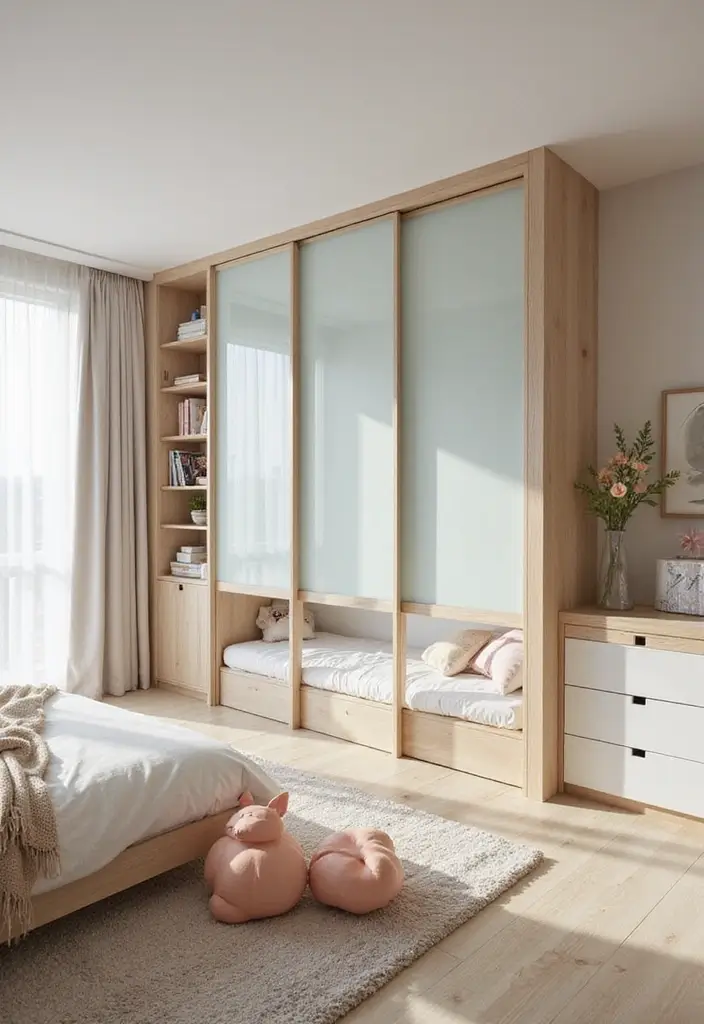
If you want to carve out cozy spaces in a kid’s room without closing it off, minimalist glass panels are a smart choice. They separate zones while keeping sight lines open and light flowing.
Here is why they work and how to use them well.
– Glass type: Frosted glass gives privacy while letting light pass. Choose a finish that hides toys from direct view but keeps the room bright.
– Safety and frames: Go with tempered glass and sturdy frames. Round edges and good seals protect little hands and cut risk.
– Balancing decor: Pair the sleek panels with a soft rug, cushions, and a calm color palette. The mix makes the space feel warm, not cold.
– Plants and life: A tiny plant on a sill or a small air plant adds color and life without crowding the space.
– Placement options: A panel at a doorway creates a clear split; a fixed panel marks a corner. In tight rooms, a sliding panel saves space.
– Maintenance: Wipe the glass weekly with a mild cleaner to keep glare down and edges safe.
– Privacy tweaks: If you want more privacy, add a light curtain or kid-friendly decals that still let light through.
Next steps: measure your space, pick a height that feels comfortable, and consult a local glass shop for safe, proper installation.
24. Soft Panel Room Dividers
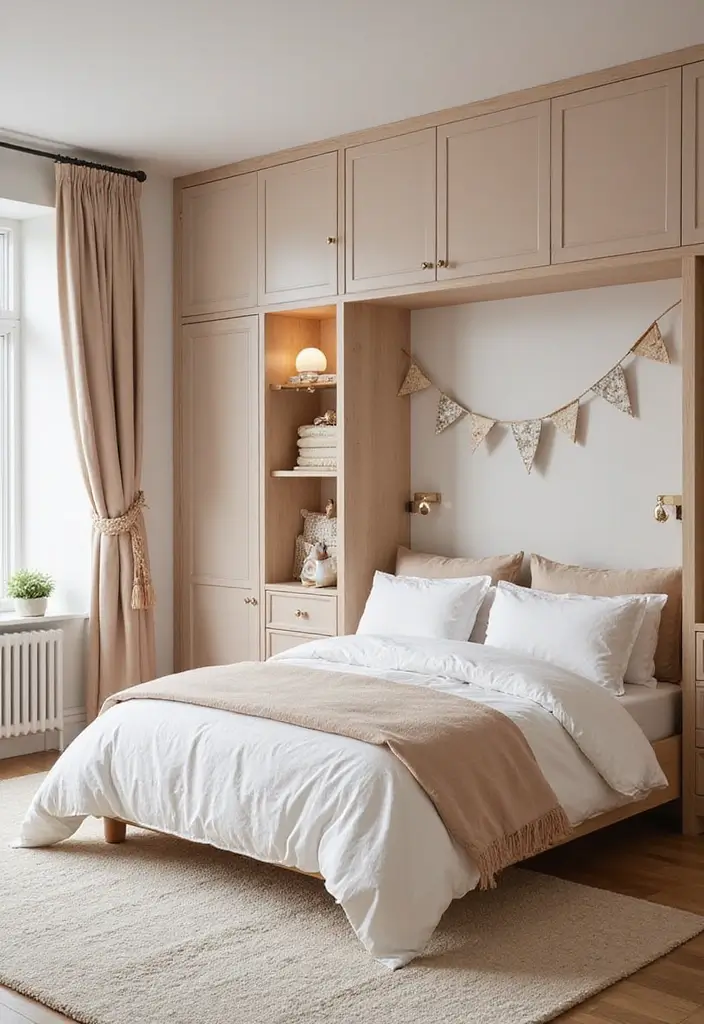
Soft Panel Room Dividers
Want a cozy, safe corner in a kid’s room? Soft panel room dividers help. They are cushioned panels that stand or stack into a soft wall. They add comfort and style without crowding the space. You gain a private reading nook, a quiet sleep area, or a neat play den.
Here is why they work. The fabric and foam feel soft. They cut noise a little and give privacy. Pick colors and fabrics that match your child’s mood.
Materials range from plush felt to cotton canvas. Plush adds warmth; canvas keeps a clean look.
Tips for choosing and using
– Choose materials that are easy to wipe clean.
– Secure the panels to a wall with straps to prevent tipping.
– Mix fabrics and colors for a warm look.
Next steps. Plan where to place them:
– By the bed to form a soft canopy.
– In a corner to make a cozy reading nook.
– Along a wall to carve a small play den.
Care and safety. Check fasteners every few months. Spot clean covers as needed. Use non-slip pads to keep the base steady.
Soft panel dividers bring warmth and personality to a kid’s bedroom, keeping spaces calm.
25. Colorful Rugs as Dividers
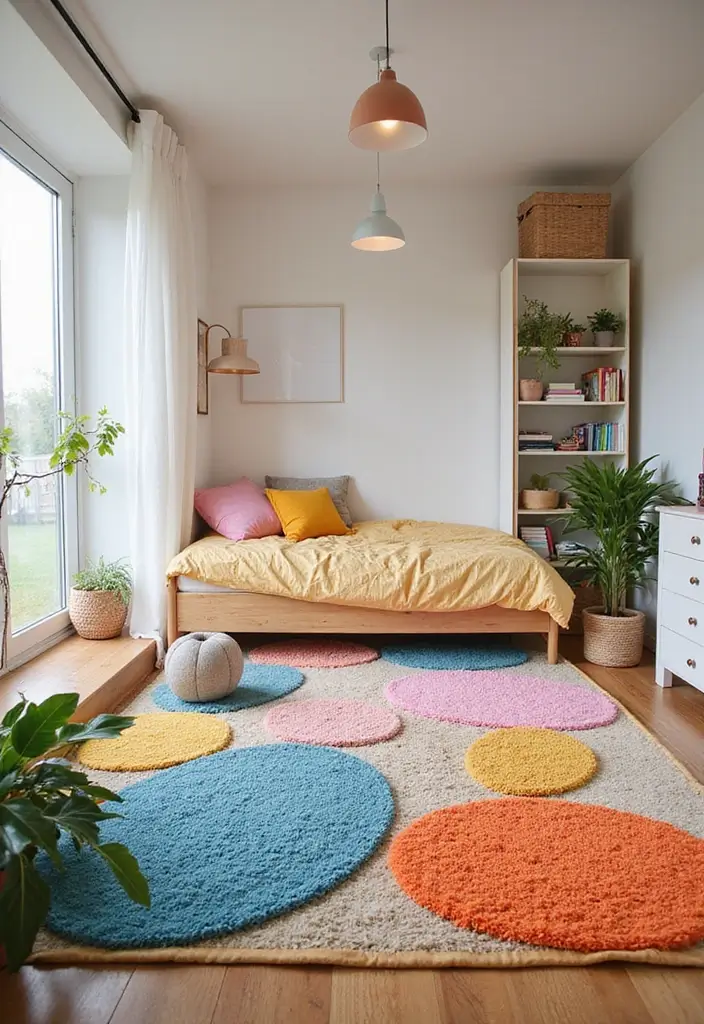
Colorful Rugs as Dividers
You want clear zones in a shared kid’s room. Colorful rugs can split the space without walls. They feel soft under feet and give a warm vibe.
Here is how to use them well.
– Choose bright rugs with friendly patterns to mark each area.
– Use non-slip pads or rugs with grip to keep kids safe.
– Place rugs to guide foot traffic and create natural flow from one zone to another.
– Size each rug to fit the activity: a reading nook rug, a play area rug, a study spot rug.
– Mix textures a bit, but keep edges flat so little feet don’t trip.
– Pick rugs that are easy to clean; machine wash if possible.
Here is why it works. Rugs create color cues that help kids switch tasks. They muffle footsteps, making the room feel calmer. They also add character without crowding the floor.
If space is tight, use two rugs to mark two zones. For a bigger room, add one large center rug to anchor all areas.
Next steps: measure your space, pick 2-3 rugs, and lay them out. Test for a week and adjust placement if needed. This approach stays adaptable as your child grows.
26. Modular Furniture as Dividers
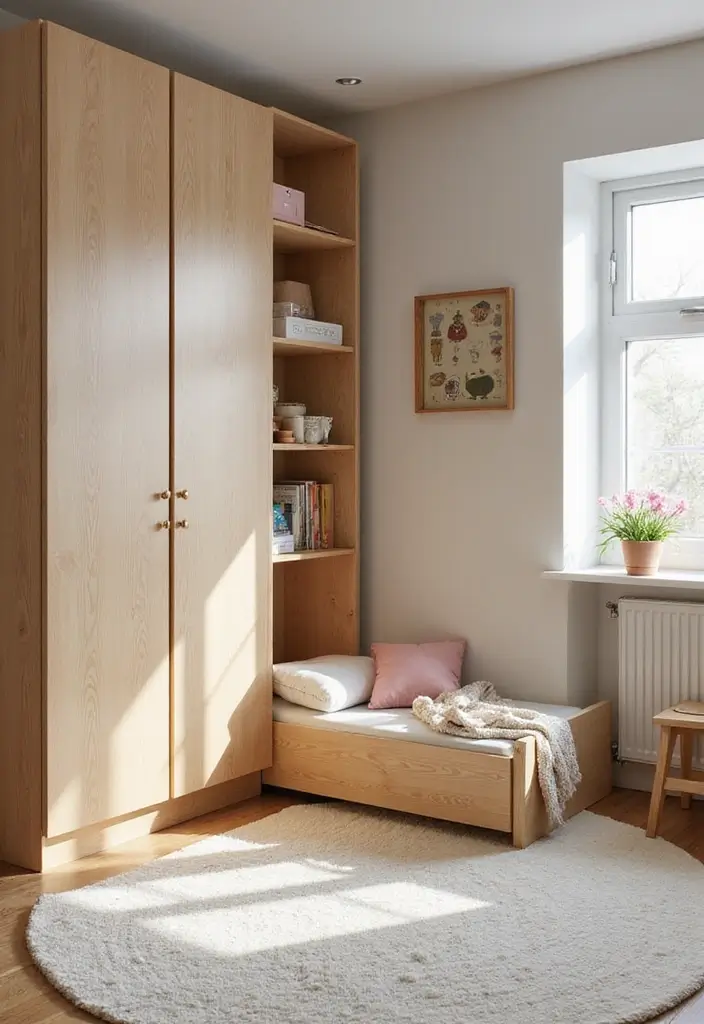
You want a cozy, practical kids room that works now. Using modular furniture as dividers helps you get that balance. It creates space for play and rest without a heavy wall.
– Choose lightweight pieces like ottomans, benches, or cube shelves. They move easily as needs change.
– Pick colors that fit the room so the divider blends, not blocks light or flow.
– Look for hidden storage in each unit. Toys and books stay tidy, and the space stays calm.
– Use low shelves or open backs to mark zones while letting daylight travel across the room.
Next steps to plan it fast:
1) Map the area you want to split into play and sleeping zones.
2) Pick 2 or 3 modular pieces that fit the size and door or window clearances.
3) Arrange them in a soft line or an L shape for easy traffic.
4) Add a rug, a cushion seat, and a small lamp to make the space feel cozy.
Safety and setup tips:
– Check for smooth edges and round corners.
– Keep units light and easy to move.
– If a piece is tall, anchor it to the wall.
With modular furniture as dividers, your child gains a comfy, organized zone that can grow with them.
27. Biophilic Design Elements
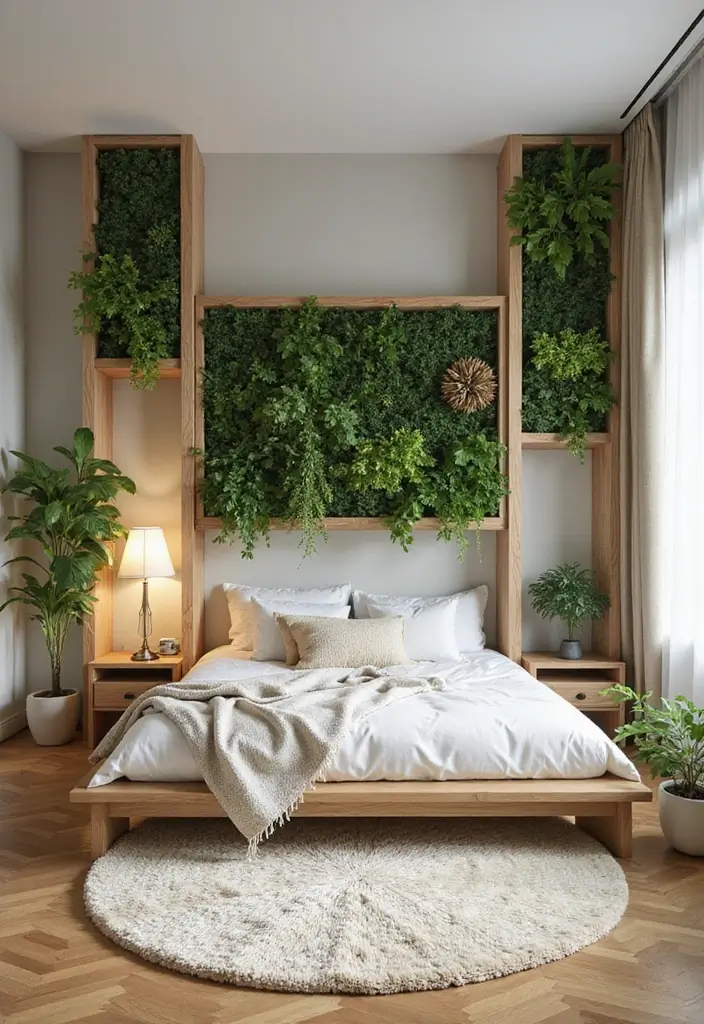
If you want a kid’s room that feels fresh and calm, biophilic design can help. A natural divider brings in green and makes space feel cozy. It also helps air feel cleaner and the room quieter.
Here are practical, kid-friendly divider ideas you can try today:
– Vertical plant walls A grid frame holds small pots at different heights. Pick non-toxic plants like spider plant, parlor palm, or areca palm. They separate zones without blocking light.
– Plant screens A light wood or bamboo panel with built-in planters. Move it as the room grows, or swap plants out for different colors.
– Preserved moss panels Real moss stays green with almost no care. It cools the vibe and dampens sound, acting as a soft divider.
– Hanging planters Several small pots on cables or pockets create a floating garden. They’re easy for kids to reach and enjoy.
– Low planter boxes Shallow wooden boxes with soil hold a few small greens. They double as a bench or shelf.
– Air plant clusters Tillandsia in glass terrariums or on driftwood stay tidy and require little water.
Getting started in four steps:
– Pick a divider type and set a safe height.
– Choose 2–4 non-toxic plants.
– Mount securely and mind drainage.
– Set a simple care routine with quick tasks.
Maintenance tips:
– Keep planters stable and out of reach extremes.
– Water by the schedule you create; avoid spills on floors.
– Wipe leaves weekly; rotate plants for even growth.
– Let kids help with watering and dusting.
Common questions:
– Will this clutter the room? Start small and grow with space.
– Are these plants safe for kids? Choose kid-safe species and supervise handling.
Next steps: start with a lightweight plant screen and two small pots at child height to test how it feels.
28. Upcycled Wooden Crates
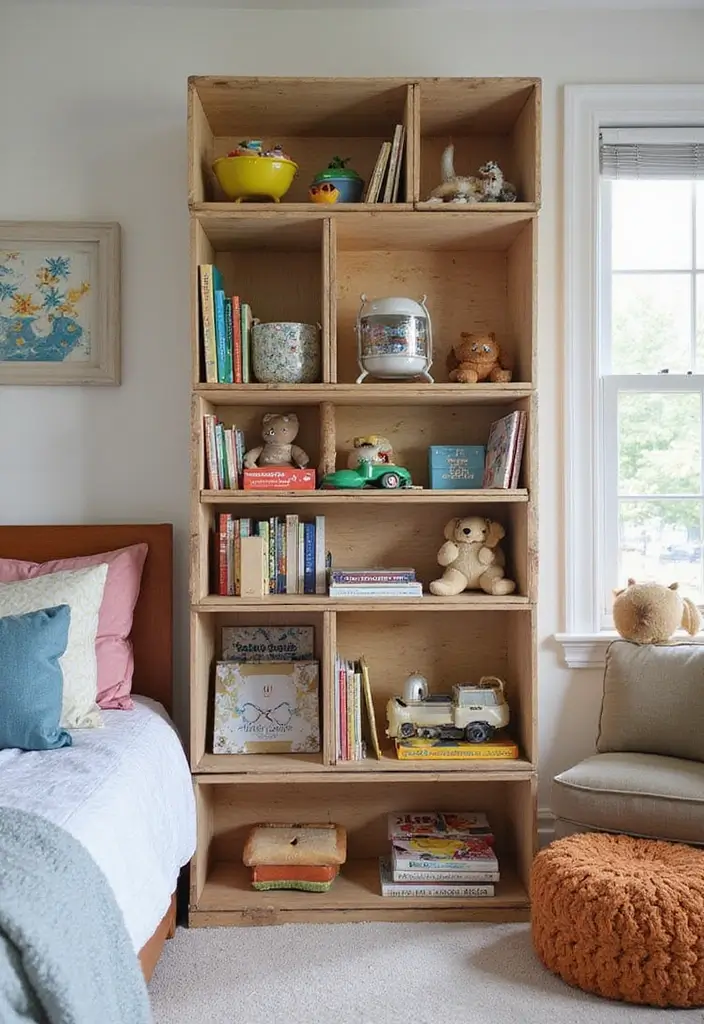
Upcycled Wooden Crates: A Cozy, Practical Room Divider
You want a space that feels like your child has a real corner to call their own. Wooden crates can split a big room into mini zones while giving shelves for books and toys. The look is warm and easy to change as your child grows.
What you’ll need
– A few wooden crates in different sizes
– Sandpaper, fine grit
– Non-toxic paint or stain
– Paint brushes and a cloth for wiping
– Clear sealant safe for kids
– Screws or corner brackets to hold crates steady
– Anti-tip straps or wall anchors
– Felt pads for the bottom
Step-by-step plan
1) Sand the crates until every edge feels smooth.
2) Paint or stain in kid-friendly colors. Light blues, greens, or natural wood work well.
3) Let coats dry fully, then seal to protect against spills.
4) Arrange crates on the floor to map your divider. Use the space inside crates as small shelves.
5) Secure the stack to each other and to the wall to stop tipping.
6) Add labels, stickers, or fabric backs to give each section a personal touch.
Tips for safety and style
– Smooth all corners.
– Choose a height that suits the room and your child.
– Use brackets or straps for stability.
– Mix wood tones for a playful, lived-in look.
Next steps: plan your layout on the floor, pick a color palette, and start building.
29. Collapsible Room Dividers
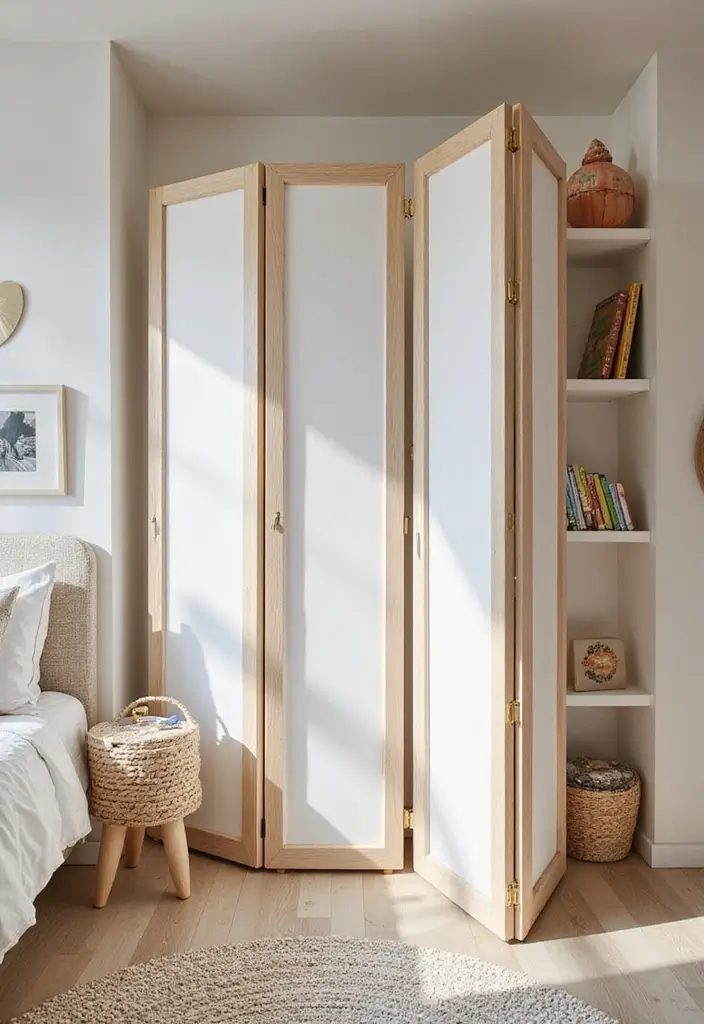
Why you might want collapsible room dividers
You need a kid’s room that can grow with them. A soft, portable wall can make a space feel cozy. Collapsible room dividers change a room in minutes. They fold flat for easy storage and pop up when privacy is needed.
What they are
These are freestanding panels. They unfold to form a gentle wall. They come in fabric or wood, and some have cushioned edges. They stand on their own and don’t need a fixed frame.
How to pick the right one
– Choose fabric for a light touch and color you like.
– Pick wood if you want a sturdy, lasting look.
– Look for strong hinges and non-slip feet.
– Make sure panels are wide enough for privacy and tall enough to feel cozy.
Here is why that matters: light and safety matter when kids touch and move the divider.
Ways to use them
Set up a reading nook by a window. Create a small study area away from toys. Build a pretend fort for play. They can carve out a sleeping corner if siblings share a room.
Simple setup tips
Measure the space first. Decide how many panels you need. Check storage space when not in use. Look for rounded edges and smooth finishes. Keep the weight easy for kids to help move.
Care and safety
Wipe wood with a damp cloth. Vacuum fabric panels gently. Let them dry before folding. Store in a closet or under the bed.
Limitations to note
They don’t block all sounds or light. If you want more privacy, add a second fabric panel or hang a curtain behind.
Next steps
Explore folding room dividers that fit your budget, space, and style. Prioritize kid safe finishes and easy cleaning for real everyday use.
30. Interactive Wall Panels
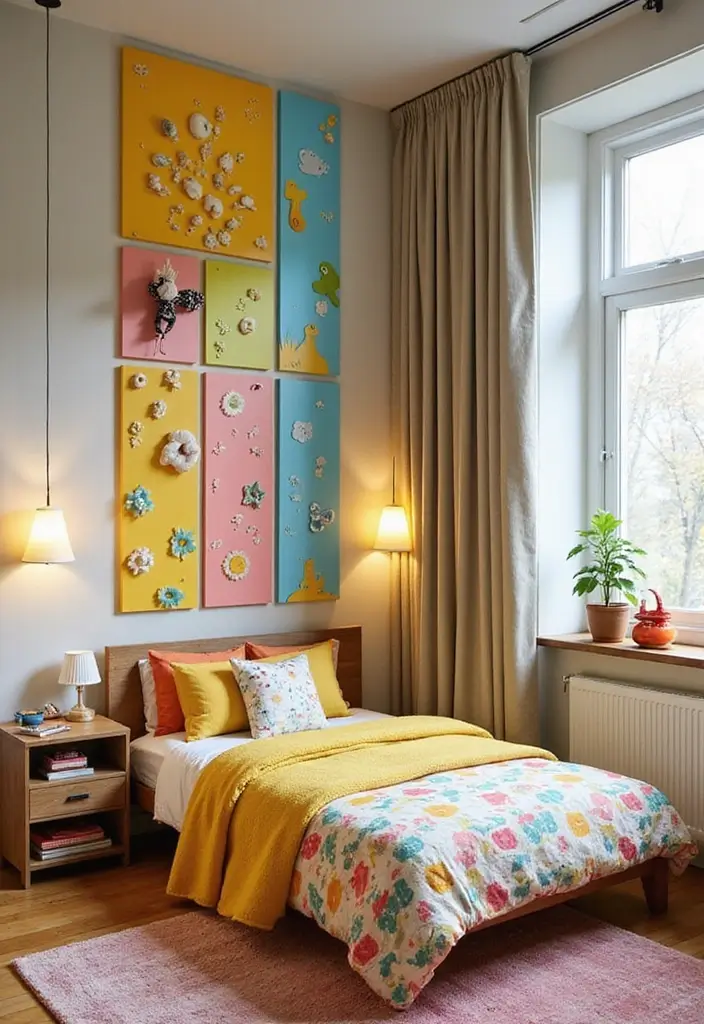
Here is the thing you want: a kid’s room that feels cozy and clear at the same time. You need space to sleep, a spot to play, and a soft border between the two. Interactive wall panels can give you that split without crowding the room. They act as a divider and a toy station all in one.
What they are
Mounted wall panels cover part of a wall. They can have textures, small games, and simple displays. They create a gentle boundary where you want a quiet corner or a playful nook.
Here is why they work
– They separate sleep and play without a big, hard wall.
– They invite touch and exploration with sights, textures, and color.
– They offer storage or display space in one tidy unit.
Tips for implementation
– Pick safe, rounded edges and avoid loose parts.
– Mount panels to sturdy studs and use hardware that fits your wall.
– Choose durable, easy to wipe materials like cork, wood, or fabric covers.
– Match themes to your child’s interests and let them help pick designs.
– Plan a simple layout you can grow with over time.
– Keep some sections removable or reversible for changes.
Next steps
Measure the wall, pick a couple of panel ideas, and start with one project. Then add more panels as your child’s needs change.
Conclusion
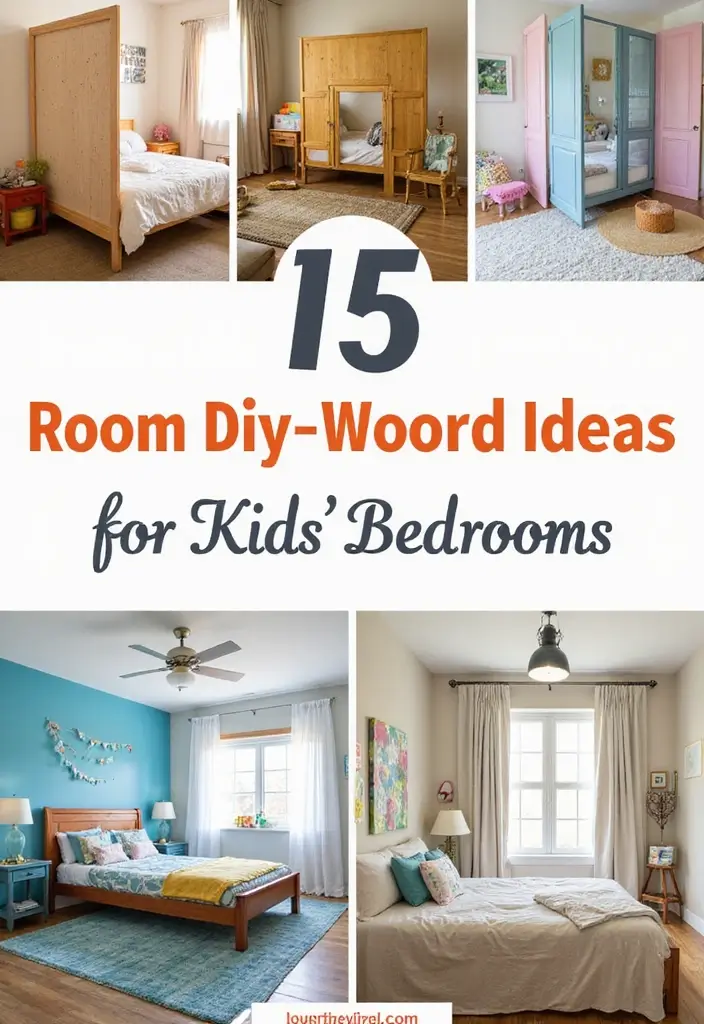
Embracing creativity in kids’ bedrooms can be as simple as incorporating room dividers in various styles!
From colorful curtains to innovative interactive panels, the options are endless for creating cozy and functional spaces.
By using these ideas, you can transform shared rooms into delightful retreats where children can play, study, and relax. Let the inspiration flow, and may you find the perfect solutions for your little ones’ spaces!
Frequently Asked Questions
What Are the Best Room Divider Ideas for Kids’ Bedrooms?
There are so many creative room divider ideas for kids’ bedrooms! From playful curtain dividers to multifunctional furniture, you can easily create cozy spaces. Consider using bookshelves, folding screens, or even DIY pallet walls to carve out unique nooks for reading and playing. These solutions not only define spaces but also add style and functionality to the room!
How Can I Choose the Right Room Divider for My Kids’ Bedroom?
Choosing the right room divider depends on your children’s needs and the room’s layout. Think about factors like light flow, safety, and aesthetics. For example, if you want to keep the space bright, transparent acrylic panels or sheer curtains are great options. On the other hand, if you need storage too, a bookshelf divider can be both decorative and practical. Always prioritize cozy bedroom ideas that also fit your kids’ personalities!
Are DIY Room Dividers Safe for Kids?
Absolutely! DIY room dividers can be safe for kids when made with care. Always choose materials that are non-toxic and free of sharp edges. For instance, soft panel dividers or using repurposed items like wooden crates can create cozy and safe spaces. Just ensure that whatever you choose is stable and secure, so your little ones can enjoy their cozy corners without worries!
How Can Room Dividers Enhance Kids’ Bedroom Decor?
Room dividers can significantly enhance kids’ bedroom decor by adding color, texture, and fun themes. Whether you opt for colorful foam panels, fabric art, or even a puppet theater as a divider, these elements can reflect your child’s interests and creativity. They not only separate spaces but also serve as decorative features that bring life and personality to the room!
What Multifunctional Furniture Options Can Be Used as Room Dividers?
Multifunctional furniture is a fantastic way to create cozy spaces in a kids’ bedroom while maximizing utility. Consider using modular furniture that can act as both a divider and storage, such as benches with hidden compartments or stylish bookshelves. Even vintage suitcases stacked as a divider can serve as both a boundary and storage for toys. Get creative and find pieces that fit your style and your child’s needs!
Related Topics
room divider ideas
kids bedroom decor
cozy spaces
multifunctional furniture
DIY room dividers
creative space dividers
shared bedroom solutions
playful decor
colorful room accents
budget friendly
easy installation
upcycled materials