
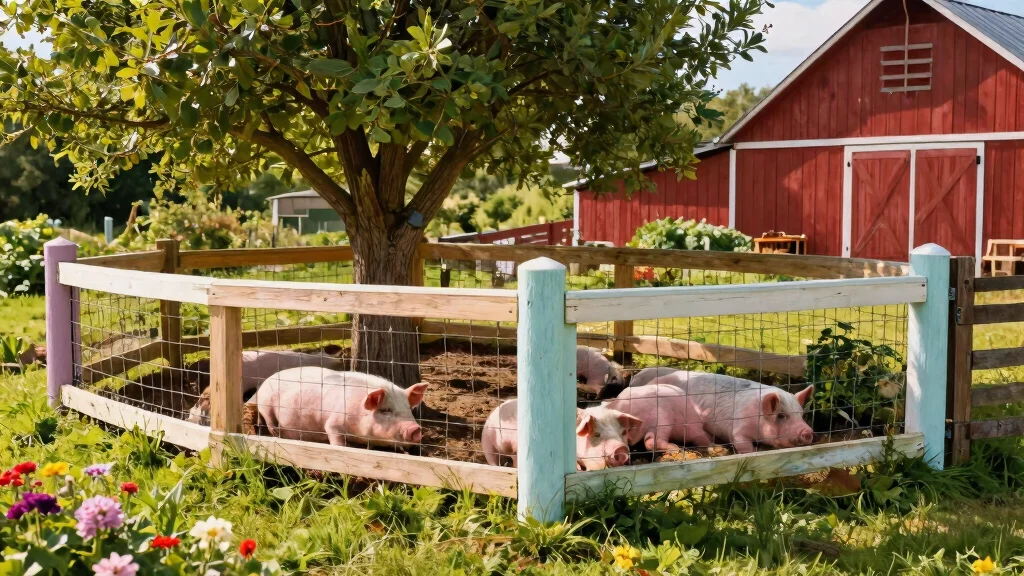
Managing pigs on your small farm can be both rewarding and challenging. Whether you’re new to farming or a seasoned pro, keeping your pigs contained and safe is crucial. That’s why I created this guide to share some practical and effective hog fence ideas. With the right fencing solutions, you can prevent your pigs from digging and escaping, ensuring they stay happy and healthy.
If you are a small-scale farmer, hobbyist, or simply someone passionate about sustainable farming, this post is for you. You care about finding reliable pig containment solutions that protect your garden and livestock. Perhaps you are tired of dealing with escape artist pigs or have concerns about your garden being overrun. I’ve compiled 14 diverse hog fence ideas that are durable, effective, and tailored for various needs and budgets. From traditional wooden post fences to innovative solutions using recycled materials, you’ll find options that can suit any small farm setup.
By the end of this post, you’ll have a toolbox of ideas to create a safe space for your pigs while enhancing your farming practices. These ideas not only help keep your pigs contained but also fit into the broader goal of sustainable farming. So, let’s dive into these creative hog fence ideas that will keep your pigs where they belong!
Key Takeaways
– Discover various hog fence ideas that effectively prevent pigs from digging and escaping your property.
– Learn about durable hog fencing options that not only keep pigs in but can also complement your garden aesthetics.
– Explore livestock fence designs that are easy to install and require minimal maintenance for long-term use.
– Find out about sustainable materials to use in your fencing solutions, including recycled options that are both eco-friendly and cost-effective.
– Get inspired by custom designs and innovative techniques that allow for a creative approach to pig containment, ensuring safety without sacrificing style.
1. Sturdy Wooden Post Fencing
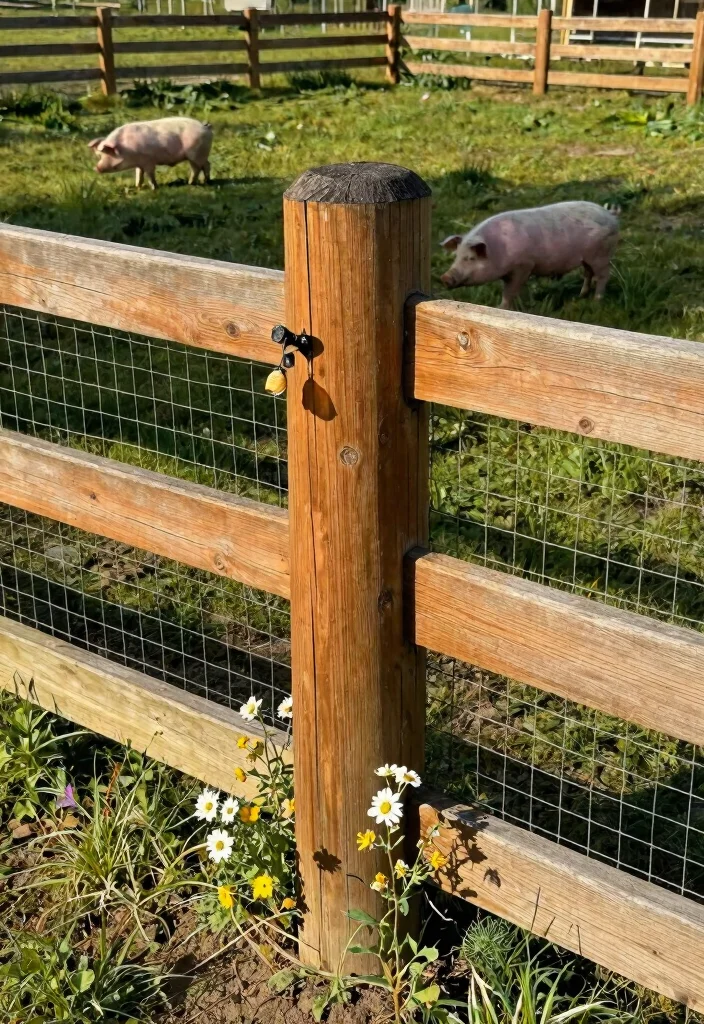
If you’re looking for a solid way to keep your pigs safe, sturdy wooden post fencing is a great choice. These wooden posts create a strong barrier, perfect for withstanding the weight and determination of any hog. By choosing treated wood, you can ensure your fence stays strong against moisture and pests, providing long-lasting security.
To enhance the effectiveness of your fencing, think about adding barbed wire or sturdy mesh at the bottom to prevent digging. A height of four to five feet is ideal to keep pigs from jumping over. This combination not only secures your pigs but adds a rustic charm to your farm.
Key installation tips:
– Anchor posts deeply to resist pressure.
– Space posts wider to save on materials without sacrificing strength.
– Use non-toxic paint for added character and protection.
This fencing solution is both functional and visually appealing, ensuring your pigs stay safe while enhancing your farm’s aesthetic.
2. Reinforced Wire Fencing
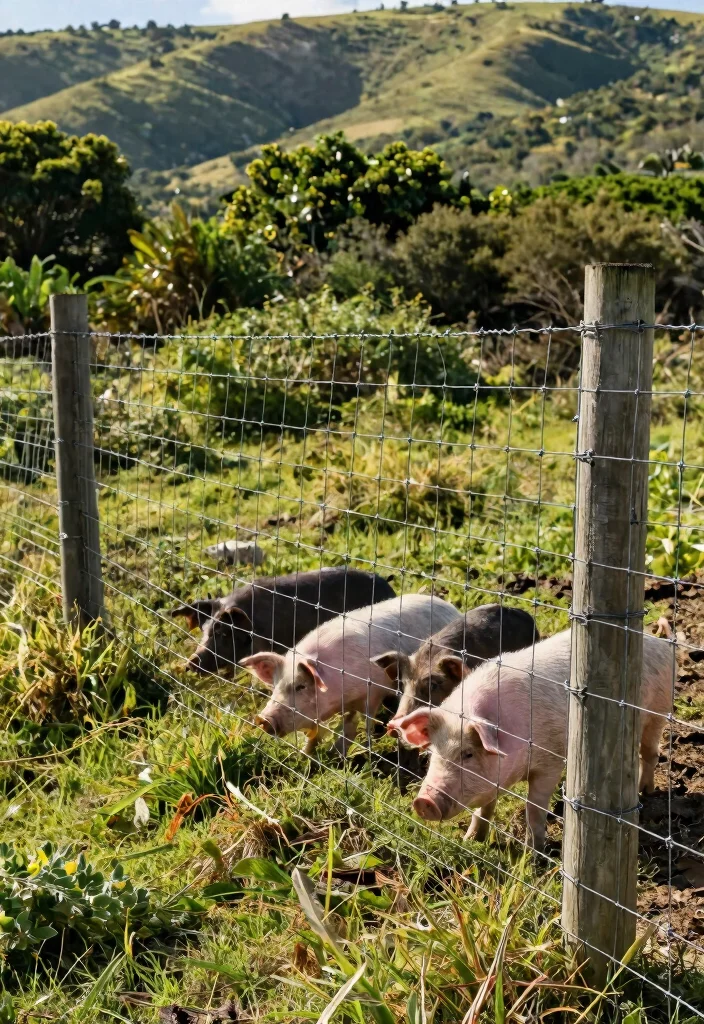
For an effective way to secure your pigs, consider reinforced wire fencing. This type of fencing is made from high-tensile wire, which is known for its strength, lightweight nature, and flexibility. It easily adapts to uneven ground, making it a favorite for many small farmers.
You can configure the wire in various ways, such as vertical or horizontal arrangements, and pair it with wooden posts for added stability. To prevent escapes, think about:
– Burying the lower part of the wire at least a foot deep.
– Adding a top rail or barbed wire to deter jumping.
– Regularly inspecting for wear and tear to maintain its strength.
This fencing option blends durability with a natural look, ensuring your pigs are contained without disrupting the beauty of your farm.
3. Electric Fencing Systems
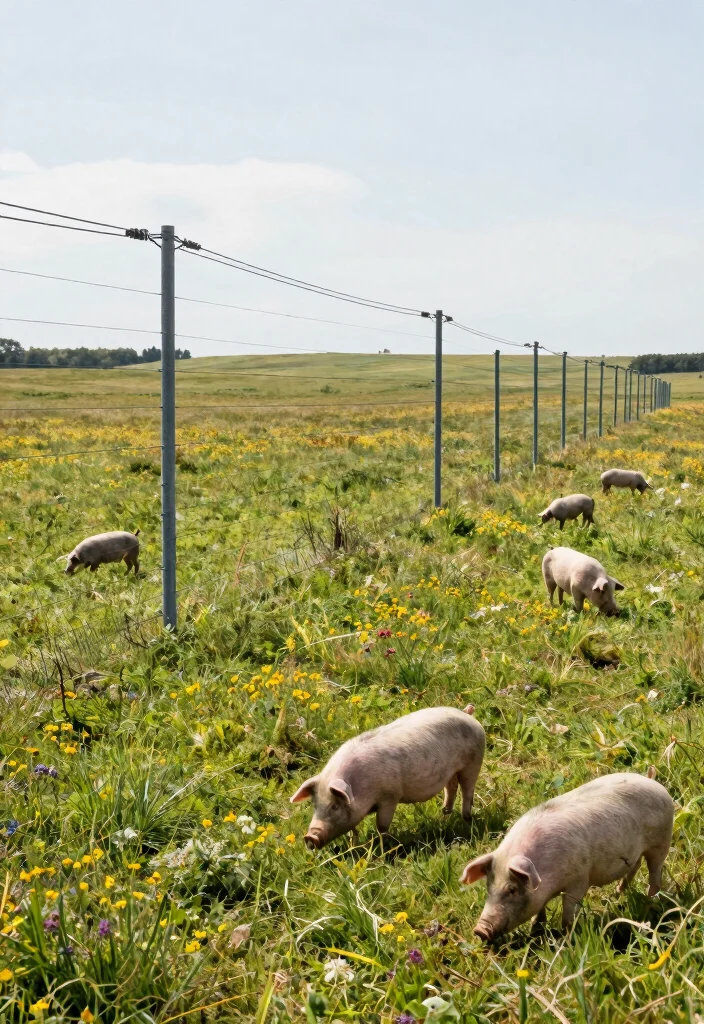
Electric fencing systems are gaining popularity for keeping pigs contained effectively. These systems deliver a mild electric shock if pigs try to breach the boundary, teaching them where they can and cannot go. This method is particularly useful for pigs that are eager to dig or escape.
When setting up an electric fence, ensure:
– The voltage is safe and effective, adjusted for your pigs’ size.
– Regular maintenance to keep the system functioning properly.
– The area is clear of tall grass and weeds to avoid grounding issues.
With options for both temporary and permanent setups, electric fencing allows for flexibility in managing different areas of your farm while being an eco-friendly choice that requires less material than traditional fencing.
❝ Fun fact: Properly calibrated electric fences, one of the hog fence ideas, reduce boundary breaches by up to 85%. Regular maintenance keeps the system effective, and pigs quickly learn the line—no digging needed, just a clear, contained paddock you can trust.
4. Natural Barriers with Plants
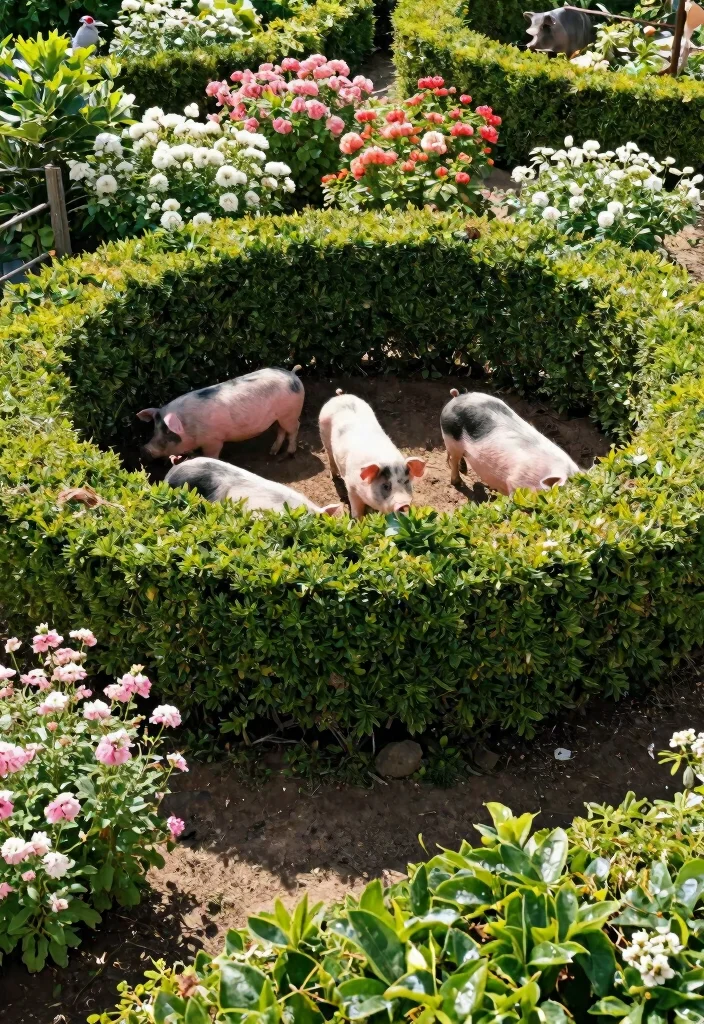
Natural barriers with plants provide an attractive and sustainable method for containing pigs. By strategically planting hedges and thorny bushes, you create a natural fence that is both effective and beautiful.
Choosing native plants that thrive in your area can enhance the efficacy of this method. Remember to:
– Select dense, thorny varieties to discourage escape attempts.
– Incorporate plants that need minimal maintenance and resist local pests.
– Create a diverse landscape that promotes biodiversity on your farm.
While this option may take time to establish, it results in a beautiful, eco-friendly fence that enriches your farm’s environment and can even provide shade or forage for other livestock.
5. Recycled Materials Fencing
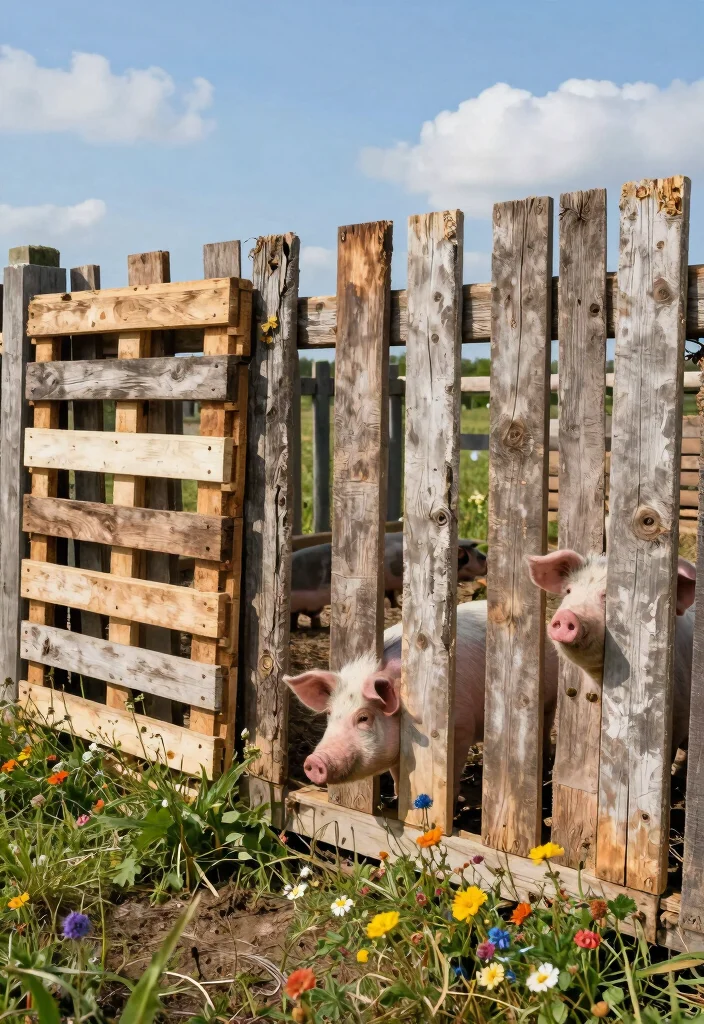
Recycled materials fencing is a creative and eco-friendly way to contain pigs. Utilizing old pallets, scraps, or reclaimed wood not only saves money but also leads to unique designs.
To make this work:
– Use pallets to create a rustic fence, ensuring they are tightly secured.
– Add wire mesh to the wood frame for added security.
– Treat or paint the wood to extend its life and enhance appearance.
This approach not only benefits the environment by reusing materials but also allows you to showcase your creativity, resulting in a distinctive fence that reflects your farm’s style.
6. Dual-Fencing Approach
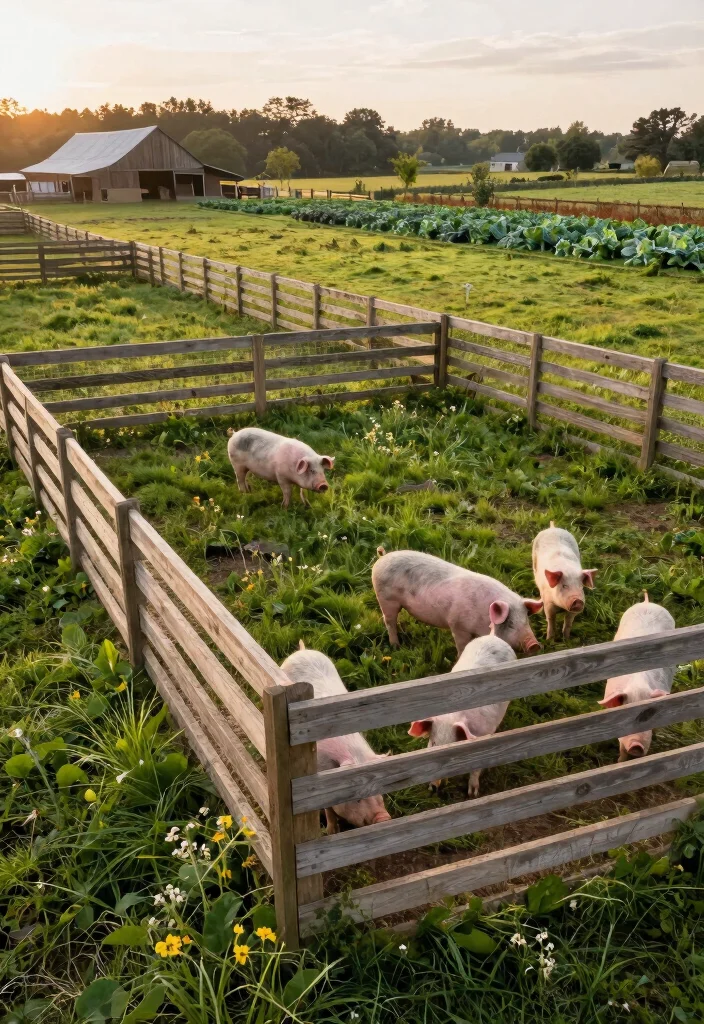
A dual-fencing approach combines two different types of fencing for enhanced pig containment. By using a sturdy outer fence and a more flexible inner fence, you create a buffer zone that helps prevent escapes.
For this setup:
– Utilize electric fencing as the inner layer to deter pigs while maintaining a solid wooden or wire fence as the outer layer.
– Regularly maintain the space between the two fences to prevent overgrown vegetation.
– Monitor for signs of attempted escapes and adjust as needed.
This method provides peace of mind, ensuring a safe environment for your pigs while protecting them from potential predators.
Fun fact: A dual-fence setup with an outer solid fence and a flexible inner electric line can cut pig escapes by up to 60%. Regularly trimming vegetation and maintaining the gap keeps diggers contained and your hog fence ideas working.
Key Trade-offs & Our Top Pick
Sturdy Wooden Post Fencing
– Pros:
– Naturally blends into the landscape, giving a rustic look. ✔
– Can withstand harsh weather conditions if treated properly. ⏱
– Cons:
– Requires regular maintenance to prevent rot. 🛠
– Can be more expensive upfront compared to other options. 💰
– Best for: Small farms looking for an aesthetic and durable solution without frequent replacements.
Reinforced Wire Fencing
– Pros:
– Strong and durable, effective against digging. 💪
– Allows visibility while keeping pigs contained. 👀
– Cons:
– Requires careful installation to ensure effectiveness. 🔧
– Can be sharp, posing a hazard to both pigs and handlers. ⚠️
– Best for: Farms that need a reliable, low-maintenance option for pig containment.
Electric Fencing Systems
– Pros:
– Highly effective in deterring pigs from escaping. ⚡
– Flexible and can be easily adjusted or expanded. 🔄
– Cons:
– Requires a power source, which can limit placement. 🔌
– May not work well in wet conditions, reducing effectiveness. 🌧️
– Best for: Farmers looking for a quick and adaptable solution to prevent pig escape.
Custom Welded Fencing Designs
– Pros:
– Tailored specifically to your farm’s needs and layout. 🏗️
– Offers maximum durability and longevity. 🛡️
– Cons:
– Typically more costly due to customization. 💸
– Longer lead times for installation and delivery. ⏳
– Best for: Those wanting a unique fencing solution that fits specific farm requirements.
Chain Link Fencing for Pigs
– Pros:
– Strong and resistant to rust if galvanized. 🔗
– Easy to install and maintain, offering good visibility. 👁️
– Cons:
– Can be less aesthetically pleasing than wooden options. 🌼
– May require additional measures to prevent digging. 🕳️
– Best for: Owners who prioritize security and visibility over aesthetics.
Best Overall: Reinforced Wire Fencing
Reinforced wire fencing stands out as the best choice for most small farms. It balances strength, durability, and visibility while being relatively low-maintenance. You won’t have to worry about frequent repairs or replacements, making it a cost-effective solution in the long run. Its versatility suits various farm layouts and environments, ensuring your pigs stay safely contained without compromising your farm’s look or feel.
Why We Picked This:
While reinforced wire fencing is our top pick, you might prefer other options like electric fencing for its flexibility or sturdy wooden post fencing for aesthetics. Each solution has its strengths, so consider your specific needs, budget, and the layout of your farm when making a choice.
7. Custom Welded Fencing Designs
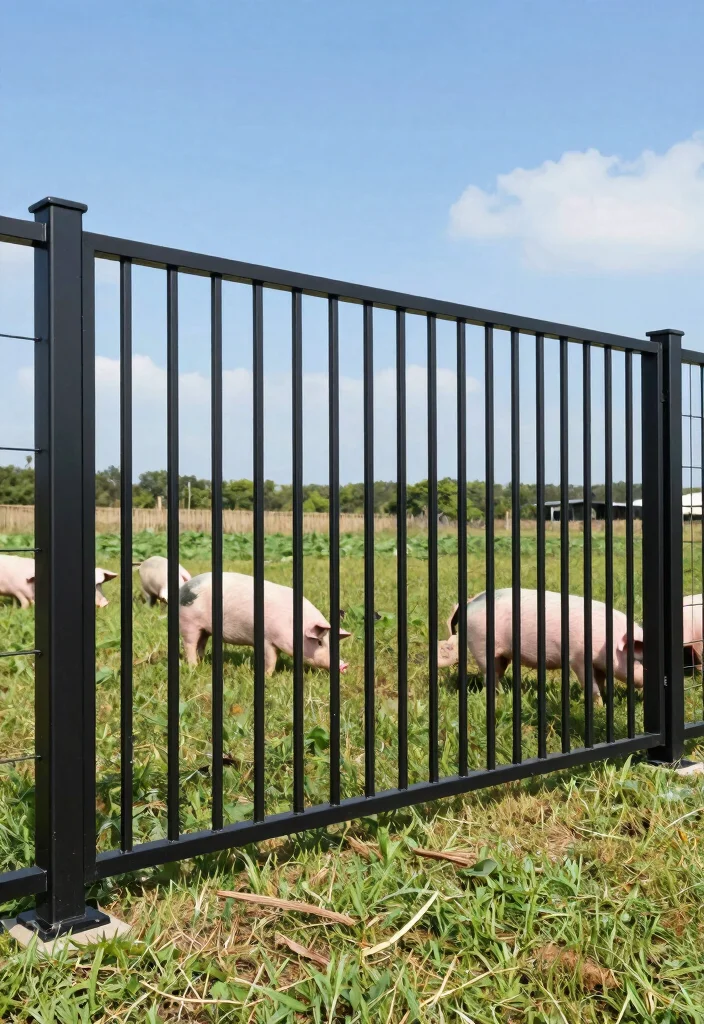
Custom welded fencing designs offer a tailored solution that meets your farm’s unique needs. Welded panels can be crafted to specific dimensions, providing a perfect fit while ensuring strength and durability.
When considering custom designs, keep these points in mind:
– Collaborate with a local welder familiar with your requirements.
– Incorporate features that prevent digging or climbing, like vertical bars or sloped tops.
– Choose corrosion-resistant materials, such as galvanized steel, for longevity.
This approach lets you achieve a stylish look while maintaining effective pig containment that blends with your farm’s environment.
8. Concrete Fencing Options
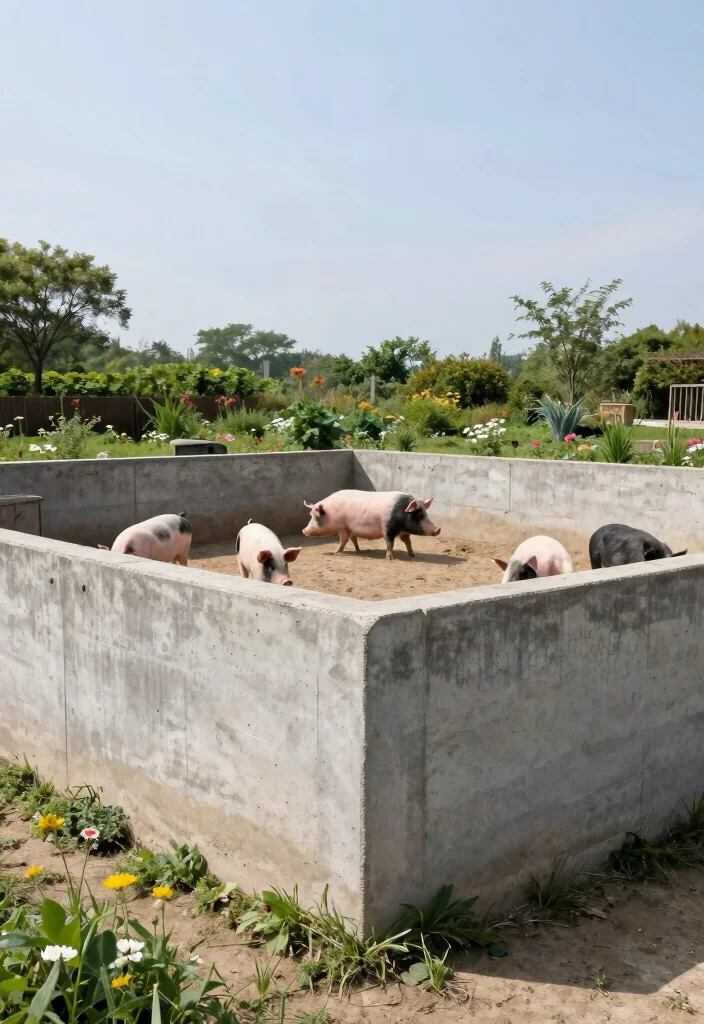
Concrete fencing options provide a strong and long-lasting solution for pig containment. These fences can be pre-cast or poured on-site, creating an impenetrable barrier against weather and digging attempts.
Consider:
– Texturing the concrete or using a smooth finish to prevent climbing.
– Adding decorative elements like stone or brick to enhance visual appeal.
– Including an underground barrier for added security.
While typically more expensive, the durability and low maintenance of concrete fences can make them a worthwhile investment for dedicated farmers.
Fun fact: properly poured concrete fences can deter digging by up to 75% on small farms. These hog fence ideas blend durability with safety—textured or smooth finishes, underground barriers, and smart design that keeps pigs contained without constant upkeep.
9. Chain Link Fencing for Pigs
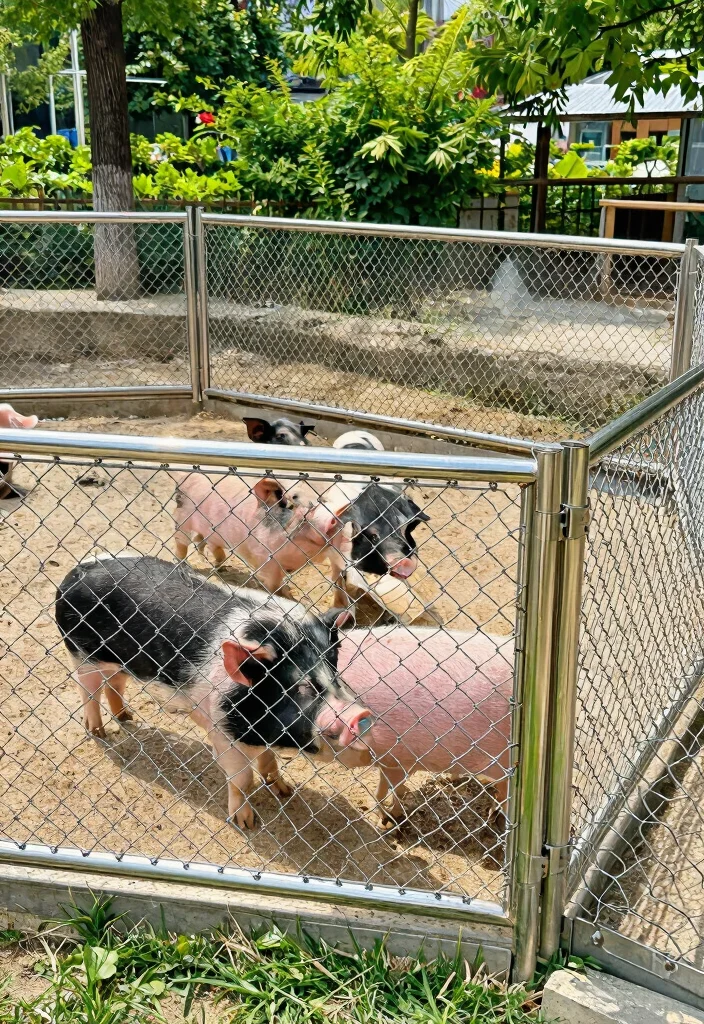
Chain link fencing is a favored choice among small farmers due to its affordability and versatility. This fencing is easy to install, allowing for quick setups to keep your pigs secure.
When using chain link fencing:
– Choose a heavier gauge wire to deter aggressive pigs.
– Ensure the height is around five feet to prevent jumping.
– Add a solid barrier at the bottom to prevent digging or bury the fence a foot deep.
This option is particularly advantageous for areas where visibility matters, allowing you to keep an eye on your pigs while they roam.
10. Decorative Garden Fencing
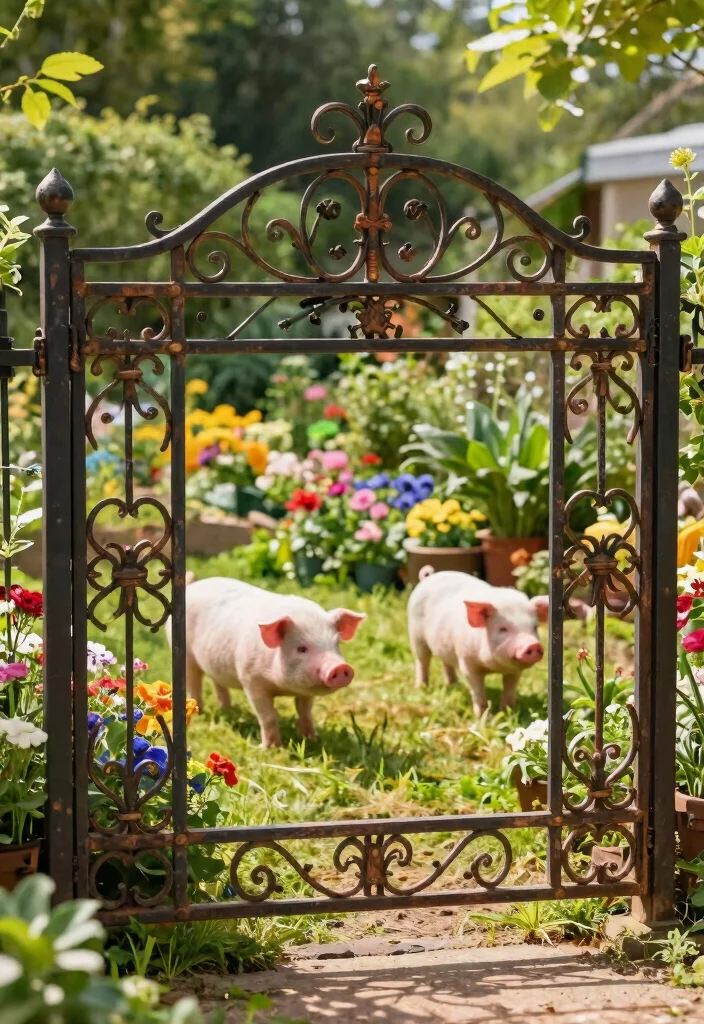
Decorative garden fencing serves a dual purpose by keeping pigs contained while enhancing your outdoor spaces. Using materials like wrought iron or picket fences adds character while ensuring functionality.
When selecting decorative fencing:
– Ensure the design is sturdy enough to withstand pigs and weather.
– Incorporate gates for easy access while maintaining a cohesive look.
– Choose colors and styles that complement your garden’s overall aesthetics.
This option beautifully blends form and function, keeping your pigs secure while adding elegance to your farm.
11. Temporary Fencing Solutions
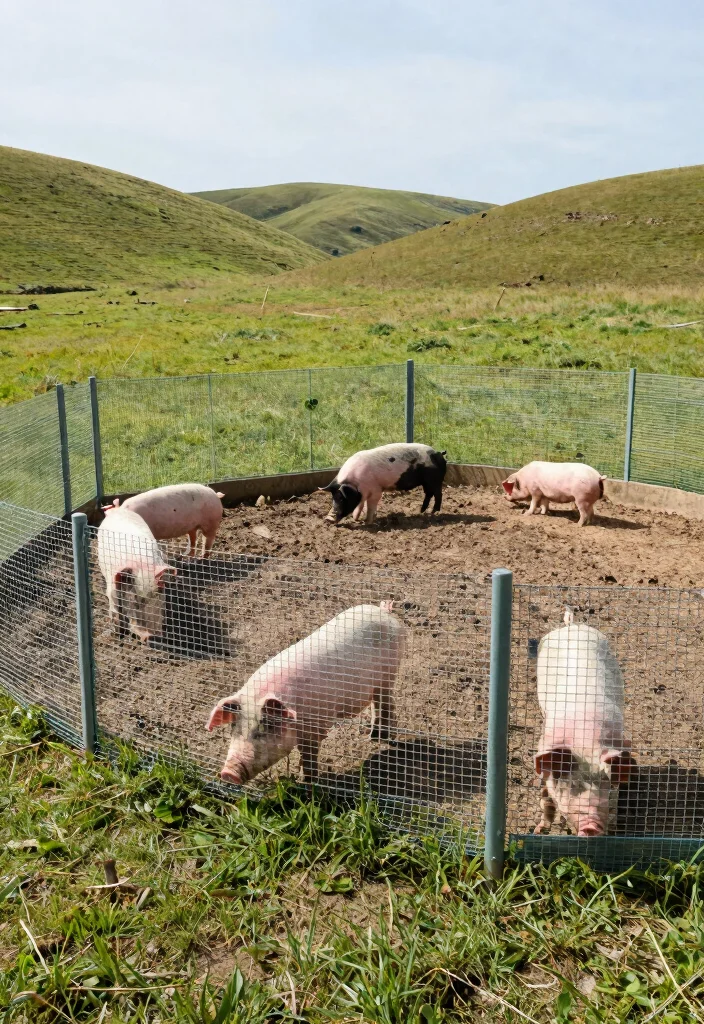
Temporary fencing solutions offer flexibility for small farms, allowing you to create pig enclosures that adapt to your needs. These fences can be made from lightweight materials and set up quickly.
Consider options like:
– Portable electric fencing for easy movement and new pen creation.
– Plastic or wire mesh that is simple to handle and transport.
– Ensuring any temporary fencing is secure enough to withstand pig movements and weather.
These solutions are especially useful for farmers looking to rotate pigs or create temporary grazing areas, aligning with sustainable practices while ensuring effective containment.
12. Colorful Vinyl Fencing
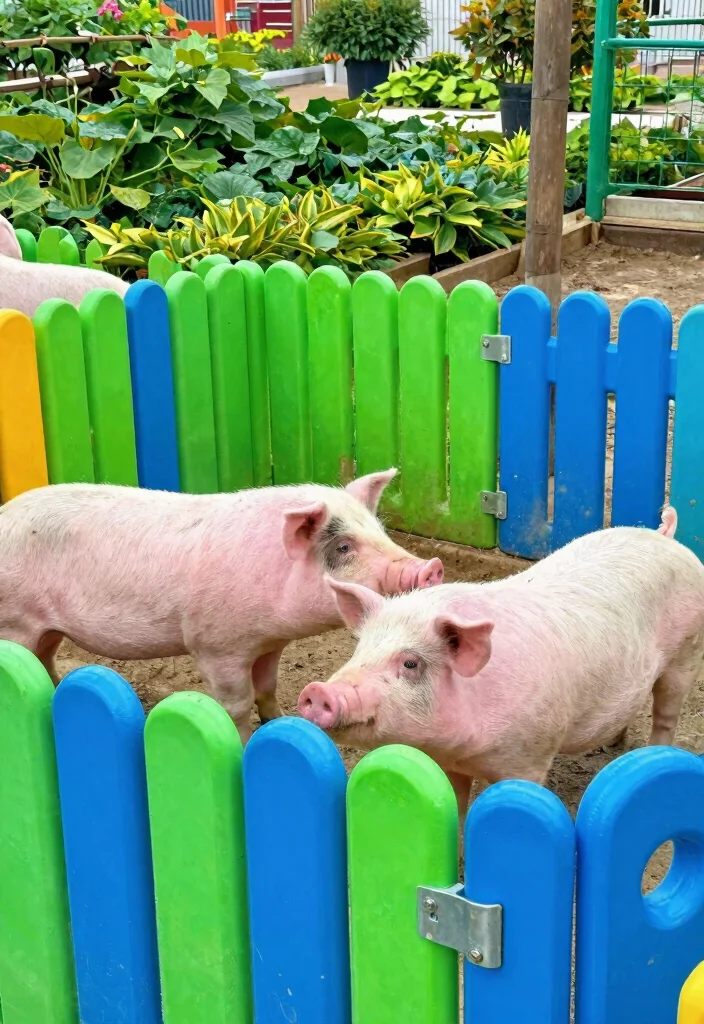
Colorful vinyl fencing adds a lively touch to your pig pen while providing a sturdy containment solution. Available in various colors and styles, these fences let farmers showcase their personality while meeting practical needs.
When selecting vinyl fencing:
– Choose high-quality, UV-resistant materials to prevent fading.
– Ensure the fence is tall enough to deter jumping and properly anchored.
– Opt for a design that allows visibility, promoting a healthy environment for your pigs.
This option enhances security while brightening your farm, creating a cheerful space for both pigs and farmers.
13. Combination Fencing Techniques
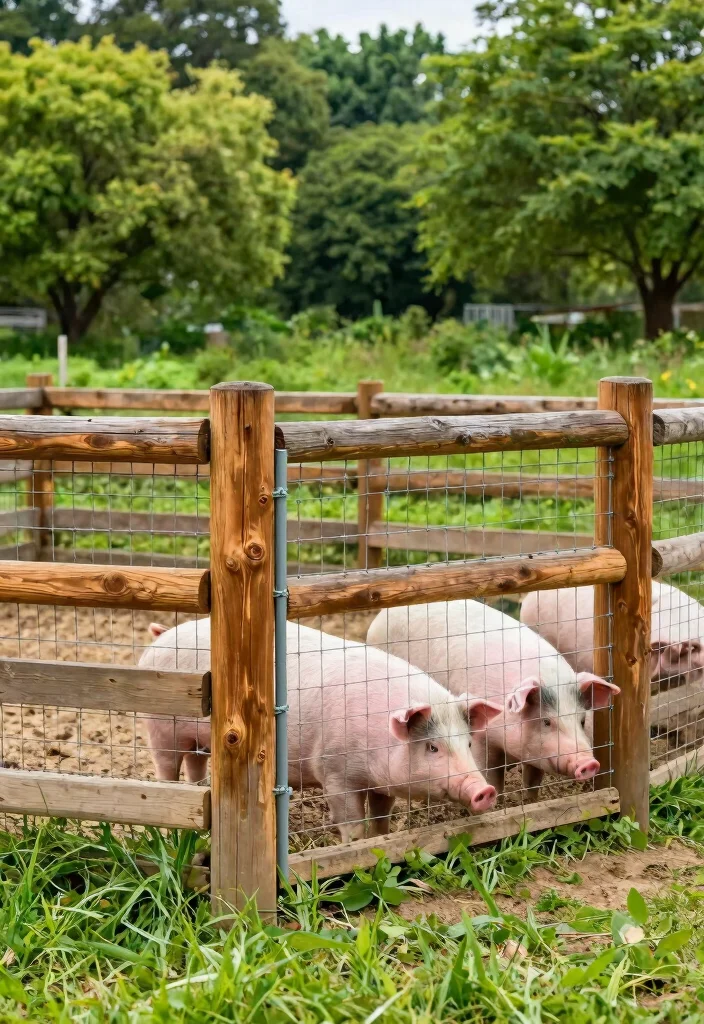
Combination fencing techniques can enhance your pig containment strategy by blending different materials and styles. Mixing wooden posts with wire mesh or integrating electric wires with solid panels boosts overall effectiveness and security.
To create a combination fence:
– Strategically layer different types to tackle specific challenges like digging or jumping.
– Use the strongest materials for the base layer to support lighter elements.
– Regularly assess the effectiveness to ensure pigs cannot breach any section.
This approach allows farmers to customize their fencing to meet specific needs, optimizing both aesthetics and security.
14. Innovative Pig-Containment Solutions
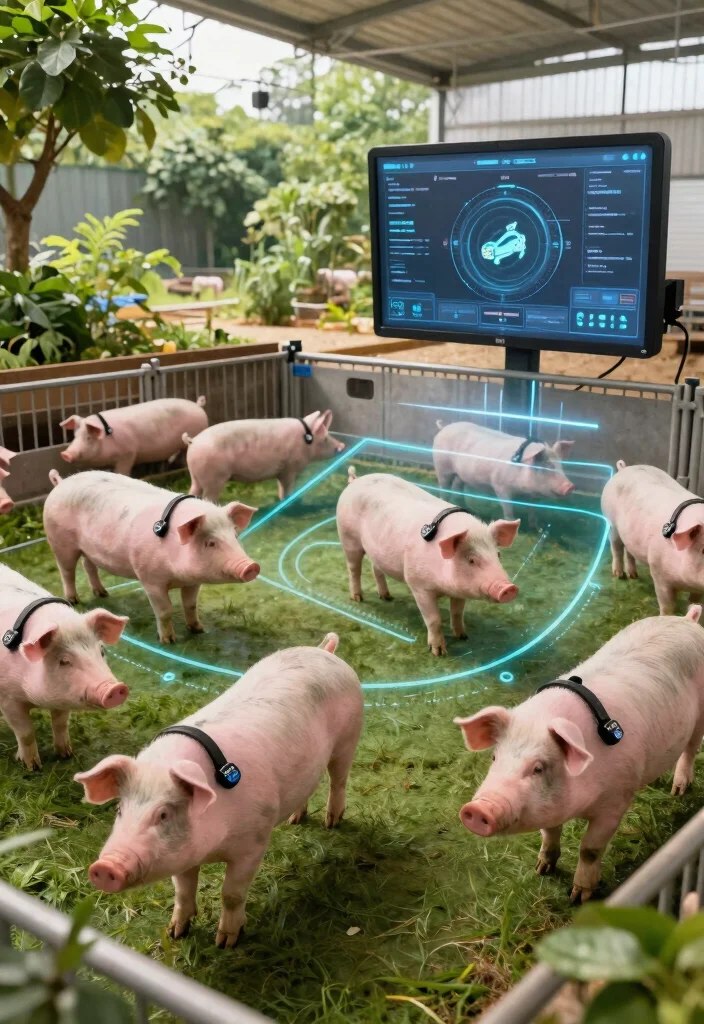
Innovative pig-containment solutions are emerging as farmers seek modern alternatives to traditional fencing. Options like GPS tracking collars or smart fencing solutions create virtual boundaries for your pigs.
Consider:
– Researching the latest advancements in livestock monitoring technology to find the right fit for your farm.
– Ensuring any devices used are safe and comfortable for your pigs.
– Keeping up with new trends that support sustainable practices while enhancing pig safety.
This approach offers a modern and effective way to keep pigs secure, reducing the need for physical barriers while ensuring their safety.
Conclusion
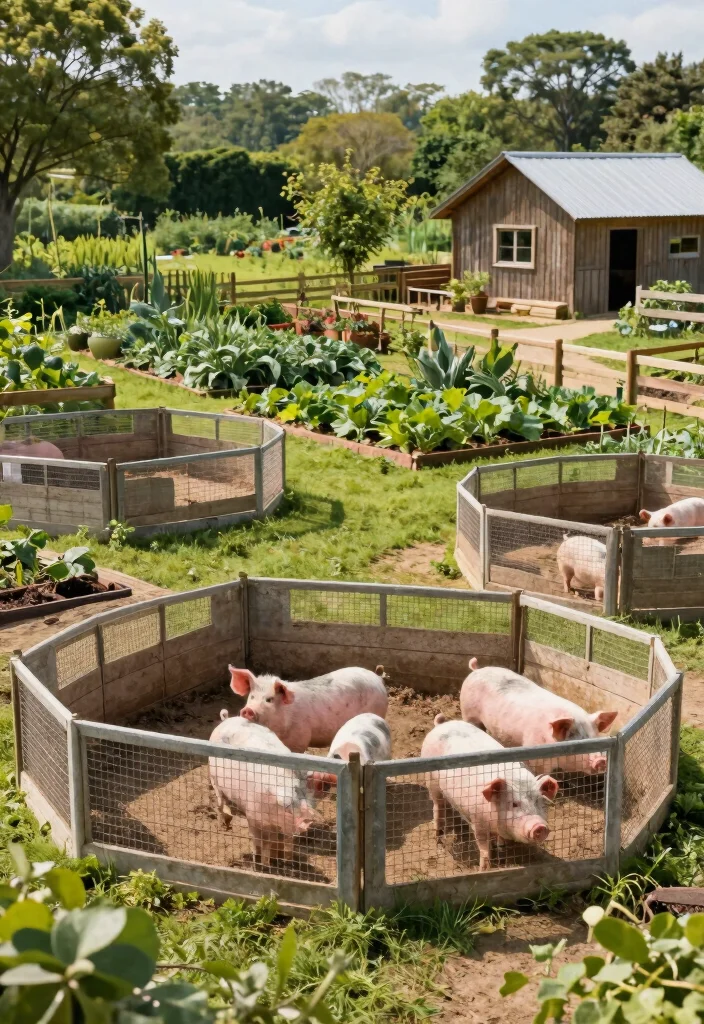
Finding the right hog fencing solution for your small farm is vital for both the safety of your pigs and the integrity of your garden. With options ranging from sturdy wooden posts to innovative technology, there’s a myriad of ways to effectively contain your livestock while enhancing your farm’s beauty. Embracing sustainable practices not only benefits your farm but also contributes positively to the environment. Explore these diverse hog fence ideas and see which best suits your needs, and feel free to share your own experiences and tips with fellow farmers!
Frequently Asked Questions
What are the best hog fence ideas to stop digging and keep pigs contained on a small farm?
Try a layered, digging-proof approach with strong, long-lasting materials. Start by burying a durable hog fencing base: 12-18 inches underground using galvanized welded wire or hardware cloth, then extend a 4- to 6-foot above-ground fence. Use sturdy posts (steel T-posts or treated timber) and secure fasteners to prevent leaning or gaps. Consider a double barrier system, such as a base barrier plus an above-ground fence, to minimize escape routes. Add reliable gates and tight latches for pig containment in practice. For garden fencing options, select durable hog fencing designed to resist chewing and rust, and adapt the layout to your paddocks. With these hog fence ideas, you’ll improve livestock fence designs and reduce escapes.
How can I balance garden fencing options with pig containment to protect crops and animals?
Plan a perimeter that keeps pigs out of valuable beds while allowing easy daily chores. Use a tall, sturdy fence (4-5 ft) with a dig-proof bottom and secure gates. For extra security, add an electric line along known digging spots as a low-profile deterrent. Choose materials that suit the garden and are pig-proof, like galvanized steel or heavy-duty welded wire, and pair with practical pig containment solutions such as paddock rotation to reduce digging pressure. Regularly inspect corners and gates to prevent weak points. In short, effective garden fencing options can double as hog fence ideas when combined with regular maintenance.
What materials and designs make durable hog fencing for small farms?
Look for galvanized steel panels or heavy-duty welded wire with a small mesh (2- to 3-inch spacing) for hogs, paired with 4- to 6-foot high fences. Use treated timber or steel posts set deeply in concrete and reinforce corners. For added safety against digging, bury at least 12 inches and consider a kickboard or dig-proof apron. Chew resistance matters too, so avoid thin plastics. If budget is tight, mix field fencing with removable panels that you can relocate for rotational grazing. These choices align with durable hog fencing and reliable pig containment goals.
Are there any specific hog fence ideas from the article that are especially effective for preventing pig escape?
Yes. A highly effective setup combines an underground barrier with an above-ground fence, plus braces at corners to resist leaning and rooting. A double-gate system with secure latches can limit access to the paddock and reduce escape routes. Adding an animal-safe electric fence layer along known dig zones provides a gentle deterrent. These hog fence ideas are practical, scalable, and easy to adapt to various small-farm layouts, delivering solid pig containment solutions.
How high and how should I layout hog fencing to prevent escape and ensure safety?
Most hogs stay contained with fences around 4 to 5 feet high, but some breeds or determined individuals may need more height. If you have slopes or wind exposure, angle the fence to reduce leverage and maintain consistent tension. Bury the bottom 12-18 inches to deter digging and consider a kickboard to stop pawing. Space posts evenly to keep the line taut, and finish with secure gates and latches. Pair height with a well-planned layout, corners braced and paddocks rotated to support reliable pig containment.