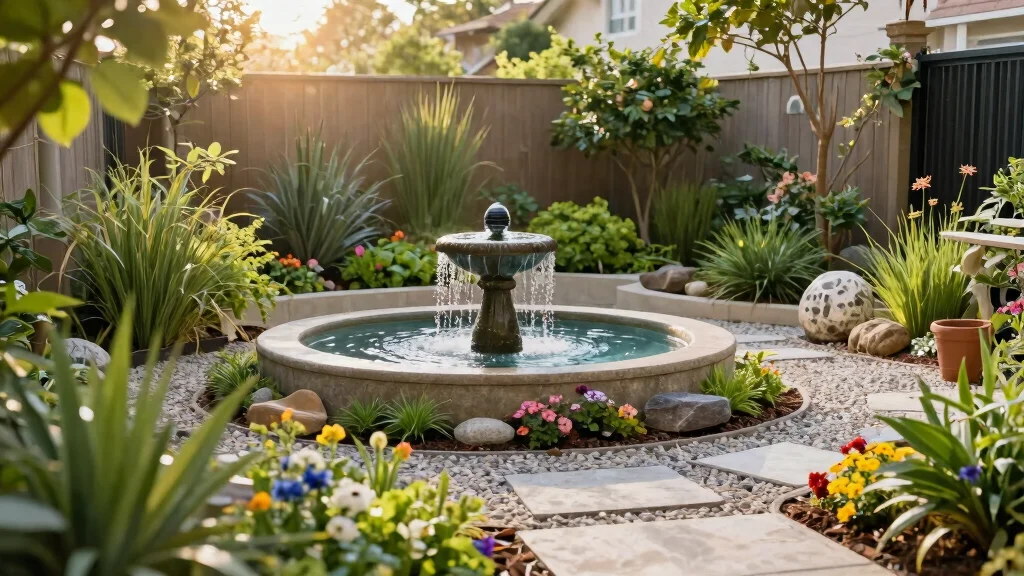
Creating an inviting outdoor space can feel like a chore, especially if you’re dealing with small urban gardens. If you’re craving that tranquil sound of water without the hassle of buried lines or complicated installations, you’ve come to the right place. This post is all about easy, sustainable outdoor water features that can enhance your garden’s charm and ambiance.
If you love the idea of adding a soothing water element to your garden but worry about extensive plumbing work, this guide is for you. Whether you’re a seasoned gardener or a newbie looking to spruce up your space, you’ll find options that suit your style and needs. From elegant garden fountains to clever DIY water gardens, there are plenty of ways to create that serene oasis you’ve been dreaming of.
In this article, you’ll discover 12 outdoor water features that run without a buried line. These ideas are not only eco-friendly but also budget-friendly and simple to implement. You’ll gain insights into features that fit your urban space and learn how to incorporate them effortlessly. Let’s dive in and transform your garden into a peaceful retreat!
Key Takeaways
– Explore solar-powered garden fountains that are eco-friendly and easy to set up, giving your garden a classic touch without the need for electrical work.
– Discover pondless waterfalls, which offer the beauty of flowing water without the maintenance of a traditional pond, making them perfect for small spaces.
– Learn how to create DIY water gardens that can be customized to reflect your style and fit any area you have available.
– Consider rain chains as a unique and artistic way to channel rainwater, adding both functionality and beauty to your outdoor space.
– Find out how natural springs and other biodegradable options can enhance your garden sustainably, making it a haven for local wildlife while keeping it low maintenance.
1. Solar-Powered Garden Fountain
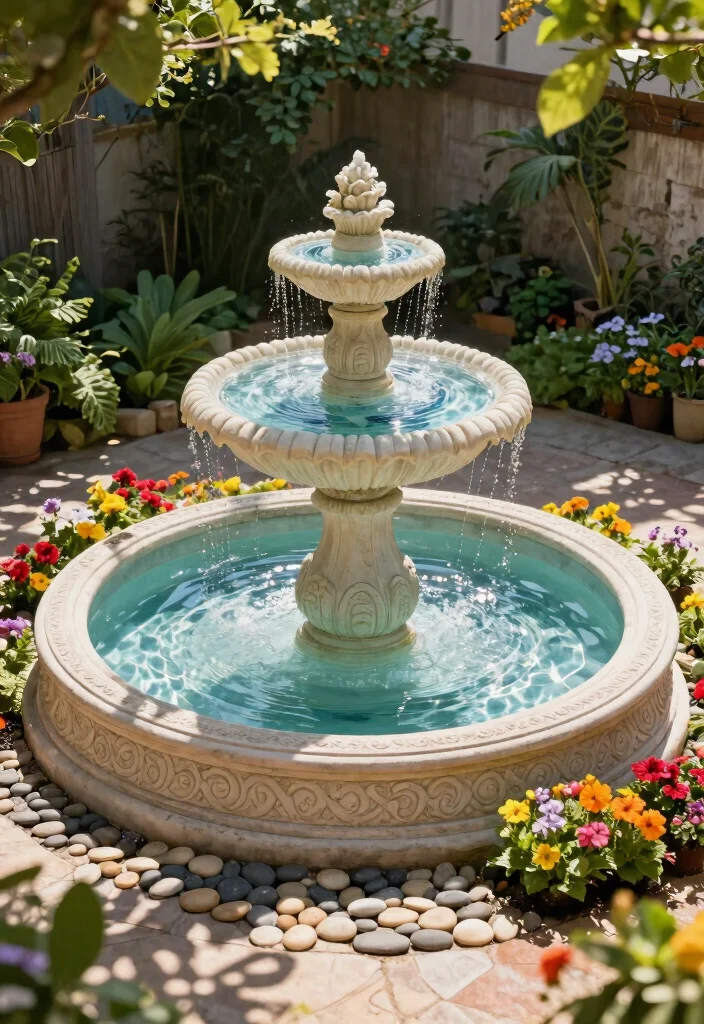
Imagine a peaceful garden where the gentle sound of a fountain fills the air, all without the hassle of electrical wiring. A solar-powered garden fountain is a perfect solution for eco-friendly gardeners who want to enhance their outdoor spaces. These fountains come in a variety of styles, from sleek modern designs to classic looks, ensuring there’s something for every taste. With solar panels that harness sunlight, they operate efficiently, needing minimal upkeep while adding beauty to your landscape.
To get the most out of your solar fountain, check its water circulation rate and size to fit your garden. Place it in a sunlit area to maximize performance and enjoy the soothing ambiance it creates. This simple addition can elevate your space and improve your overall outdoor experience.
Key advantages of solar-powered fountains:
– Enjoy easy setup without expensive wiring.
– Choose from diverse designs to suit your garden.
– Benefit from renewable energy and environmental sustainability.
Regularly clean the pump and water basin to prevent clogs and ensure a steady flow. With a solar-powered fountain, you can effortlessly combine beauty and eco-friendliness in your garden.
2. Pondless Waterfalls
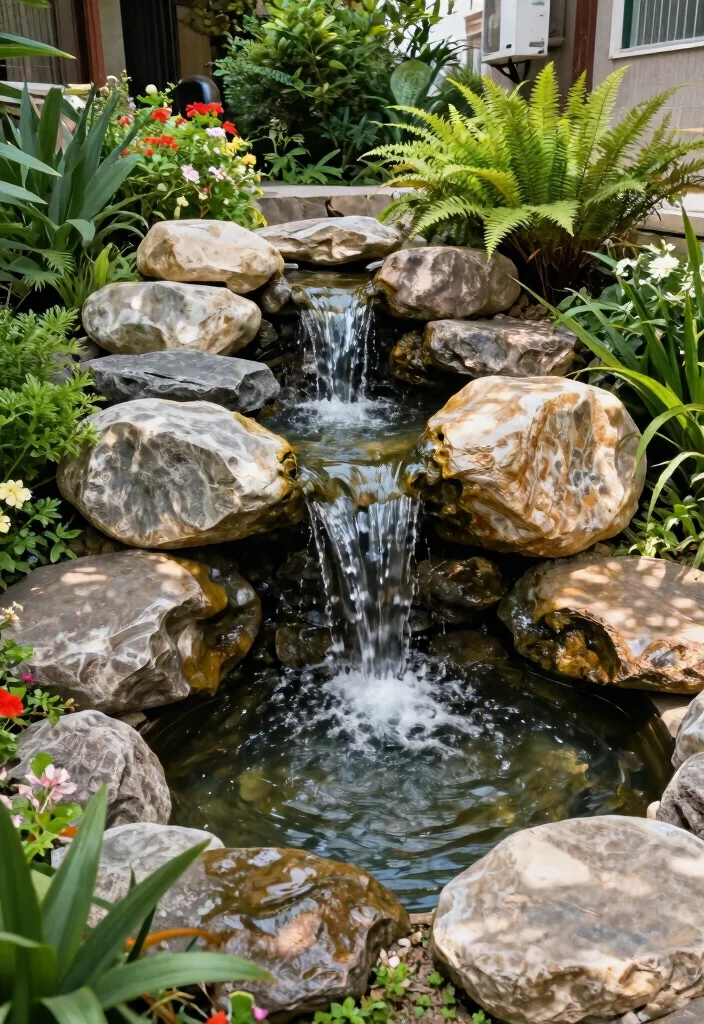
Pondless waterfalls offer a sophisticated way to enjoy the sound of flowing water without the need for a traditional pond. These features are ideal for smaller gardens, as they recirculate water through a concealed reservoir, making them safe for kids and pets. The calming noise of the water enhances your outdoor space while allowing for personalized design choices that reflect your style.
To create a pondless waterfall, invest in a waterfall kit that includes a pump, reservoir, and decorative stones. Position the stones in a sloped area of your garden to mimic a natural waterfall. This design not only looks beautiful but also requires minimal maintenance compared to traditional water features.
Reasons to consider pondless waterfalls:
– Enjoy low maintenance compared to conventional ponds.
– Space-saving design fits seamlessly into any garden.
– Create an eye-catching centerpiece without visible plumbing.
Check the water level regularly and keep the pump free of debris to ensure optimal flow. Adding a pondless waterfall can transform your garden into a peaceful retreat, enhancing its overall charm.
3. DIY Water Gardens
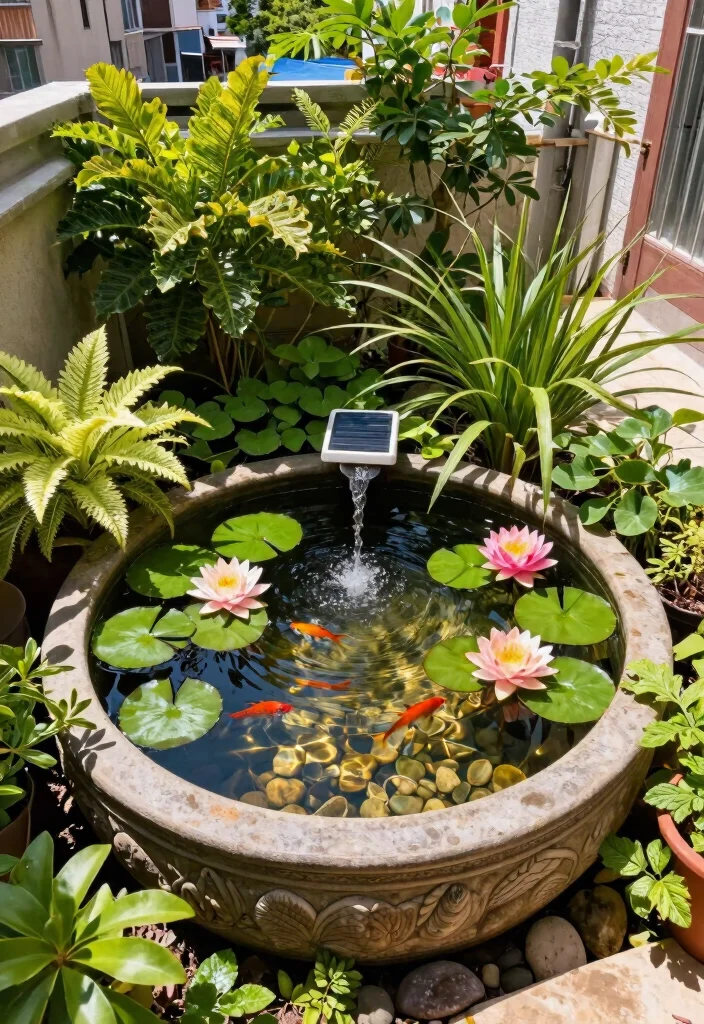
If you’re a hands-on gardener, a DIY water garden can be a fulfilling project that beautifies your outdoor space while benefiting local wildlife. You can create a water garden using containers or small ponds, providing an inviting habitat for plants and animals without the need for complex plumbing systems. This flexible approach allows you to design a space that truly reflects your personality.
To start your water garden, pick a sturdy container or a pre-formed pond liner. Add aquatic plants like water lilies for their beauty and ecological benefits. Include gravel and stones to enhance the natural look, and consider adding fish for an extra touch of life.
Steps to set up your DIY water garden:
1. Select a suitable container for your water garden.
2. Fill it with water and aquatic plants for aesthetics and oxygen.
3. Decorate with stones for a natural appearance.
4. Include fish or wildlife-friendly features for added charm.
Maintain your garden by checking water levels and cleaning debris. A DIY water garden serves as a lovely conversation starter and a relaxing escape in your outdoor oasis.
Key Trade-offs & Our Top Pick
When choosing an outdoor water feature for your urban garden, you have several options to consider. Each type has its pros and cons. Let’s break them down to help you find the best fit for your space.
Solar-Powered Garden Fountain
– Pros:
✔ Uses renewable energy, reducing electricity costs.
✔ Easy to install with no plumbing needed.
✔ Available in various styles to match your garden theme.
– Cons:
❌ Performance may fluctuate depending on sunlight.
❌ Can be more expensive upfront than traditional fountains.
❌ Requires regular cleaning to maintain aesthetics and function.
– Best for: Small gardens where sunlight is abundant and eco-friendliness is a priority.
Pondless Waterfalls
– Pros:
✔ Offers the beauty of a waterfall without the maintenance of a pond.
✔ Safe for children and pets as there is no standing water.
✔ Can create a soothing ambiance with flowing water sounds.
– Cons:
❌ Requires a pump, which can increase energy costs.
❌ Installation may be complex, often needing professional help.
❌ If not maintained, can clog and lose functionality.
– Best for: Landscapes where space is limited but you still want a natural water feature.
DIY Water Gardens
– Pros:
✔ Customizable to fit any garden size and style.
✔ Can be budget-friendly if you use repurposed materials.
✔ Provides a habitat for wildlife, promoting biodiversity.
– Cons:
❌ Time-consuming to design and build.
❌ Requires ongoing maintenance to prevent algae growth.
❌ May need a water source, like a rain barrel, for sustainability.
– Best for: Gardening enthusiasts looking for a hands-on project and a unique water feature.
Tabletop Water Gardens
– Pros:
✔ Perfect for small spaces or patios.
✔ Easy to move or change the location as needed.
✔ Minimal installation required, often just filling with water.
– Cons:
❌ Limited in size and the number of plants or fish they can support.
❌ Can dry out quickly in sunny weather, needing frequent refills.
❌ May not provide the same calming sound as larger features.
– Best for: Small balconies or patios where space is at a premium but you still want a touch of nature.
Wall-Mounted Water Features
– Pros:
✔ Space-saving design ideal for tight urban settings.
✔ Adds visual interest and soft sound to bare walls.
✔ Usually easy to install and maintain.
– Cons:
❌ Limited water volume can reduce sound and visual impact.
❌ May require a power source for the pump.
❌ Less versatile in terms of plant life compared to ground features.
– Best for: Urban dwellers wanting to enhance the aesthetic of a wall without taking up floor space.
Expert Recommendation:
Best Overall: Solar-Powered Garden Fountain
This option stands out as the best choice for most people. It offers great value for money as it combines aesthetics and functionality without high operating costs. You can enjoy the beauty of flowing water while being environmentally conscious. Plus, its ease of use and minimal installation make it a hassle-free addition to your garden.
Why We Picked This:
We understand that some readers may prefer the DIY water gardens for their creativity or pondless waterfalls for their natural look. The best choice often depends on your specific garden layout, budget, and maintenance preferences. Consider what fits your lifestyle and aesthetic needs before making a final decision.
4. Rain Chains
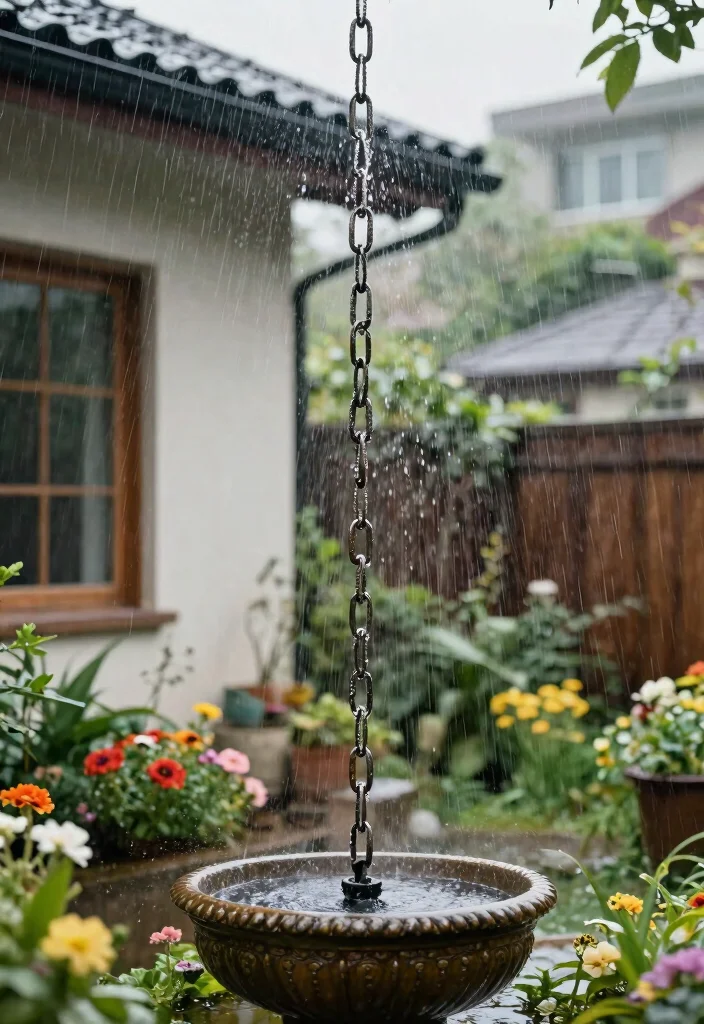
Transform ordinary rainwater runoff into a captivating outdoor feature with rain chains! These decorative alternatives to standard downspouts add unique character to your garden while effectively managing rainwater. Rain chains elegantly guide water from your roof to the ground, creating a mesmerizing display during rainstorms. They come in various designs, from simple links to intricate shapes, allowing you to choose one that complements your home.
To install a rain chain, simply attach it to your existing gutter system and select a decorative basin to catch the water below. This basin can also double as a planter or garden accent, enhancing its functionality. Position your rain chain where it will be visible from your patio to fully appreciate its beauty.
Benefits of rain chains include:
– Enhancing your landscape with aesthetic beauty.
– Offering an eco-friendly method for managing rainwater.
– Requiring minimal maintenance and easy installation.
Regularly check for blockages to ensure proper water flow. Rain chains not only beautify your garden but also contribute to sustainable water management practices.
Fun fact: Rain chains can reduce visible runoff time by up to 40% in rainy seasons, turning chaotic downspouts into calm, flowing art. In small urban gardens, choose simple links or decorative shapes to match your outdoor water features and home.
5. Water-Playing Sculptures
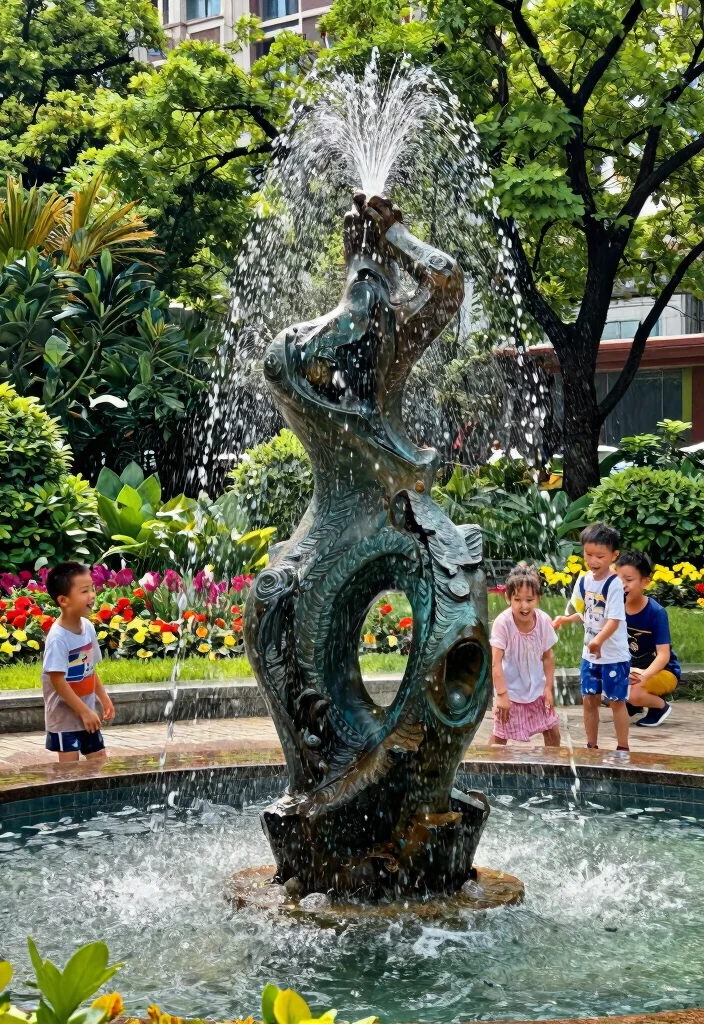
Water-playing sculptures blend art and nature, adding a dynamic element to your garden design. These captivating pieces often feature flowing or spraying water, creating delightful visual effects and sounds that attract wildlife. Ranging from modern to whimsical designs, water-playing sculptures can enhance the aesthetics of any garden style, making them a versatile choice.
When choosing a sculpture, consider the materials and the type of water feature it includes. Many sculptures come with built-in pumps, making setup straightforward. These sculptures not only look stunning but also encourage interaction, especially among children who love to play near water.
Key features of water-playing sculptures:
– Unique focal points that elevate garden aesthetics.
– Engaging sounds that draw in birds and local wildlife.
– Invite visitors to interact and explore your outdoor space.
To keep your sculpture looking its best, clean it regularly to prevent algae buildup. Monitoring the pump will ensure a consistent flow of water, enhancing the joy these sculptures bring to your garden.
6. Floating Bottles Planters
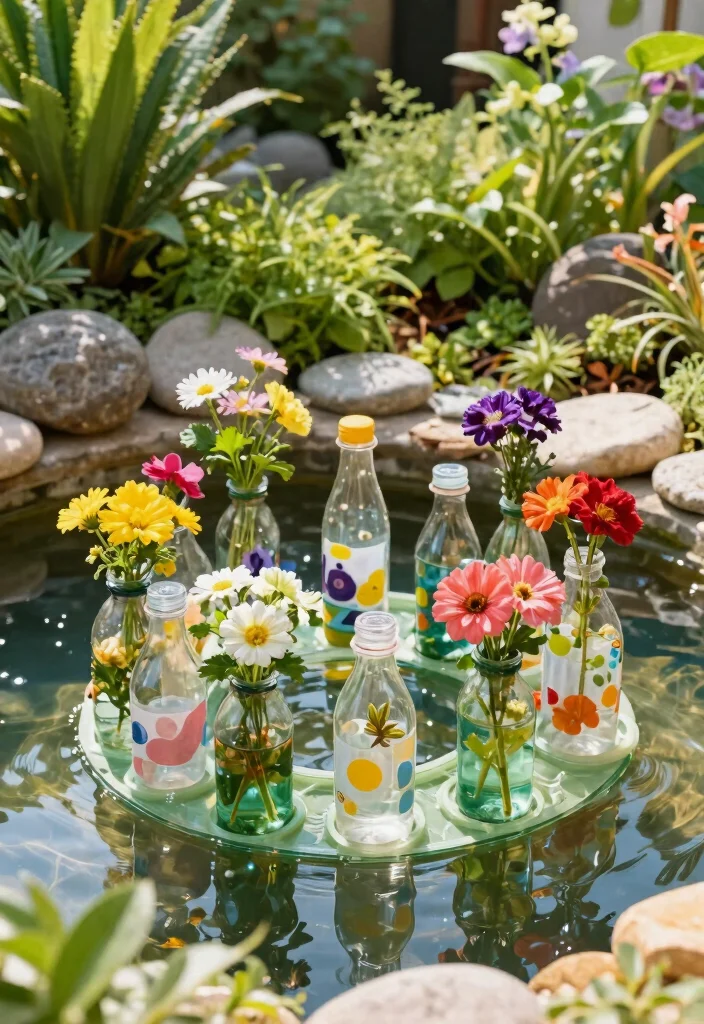
Floating bottle planters add a fun and eco-friendly twist to traditional water features by transforming recycled materials into eye-catching displays. By repurposing plastic bottles, you can create a floating garden that floats gracefully on the surface of your pond or water feature. This creative approach not only reduces waste but also introduces vibrant greenery to your outdoor area.
To make your floating bottle planters, cut plastic bottles in half and fill them with potting soil. Plant small flowers or aquatic plants, then secure the upper half back on to keep it buoyant. These planters can be placed in ponds, pools, or water gardens for a delightful touch.
Steps to create your floating planters:
1. Cut plastic bottles and fill them with soil.
2. Plant colorful flowers or aquatic plants.
3. Reassemble the bottles, leaving them able to float.
4. Position them in your desired water feature.
Be sure to check on the plants regularly to ensure they receive adequate sunlight. Floating bottle planters can add a whimsical flair to your garden while showcasing your commitment to sustainability.
7. Cast Iron Water Features
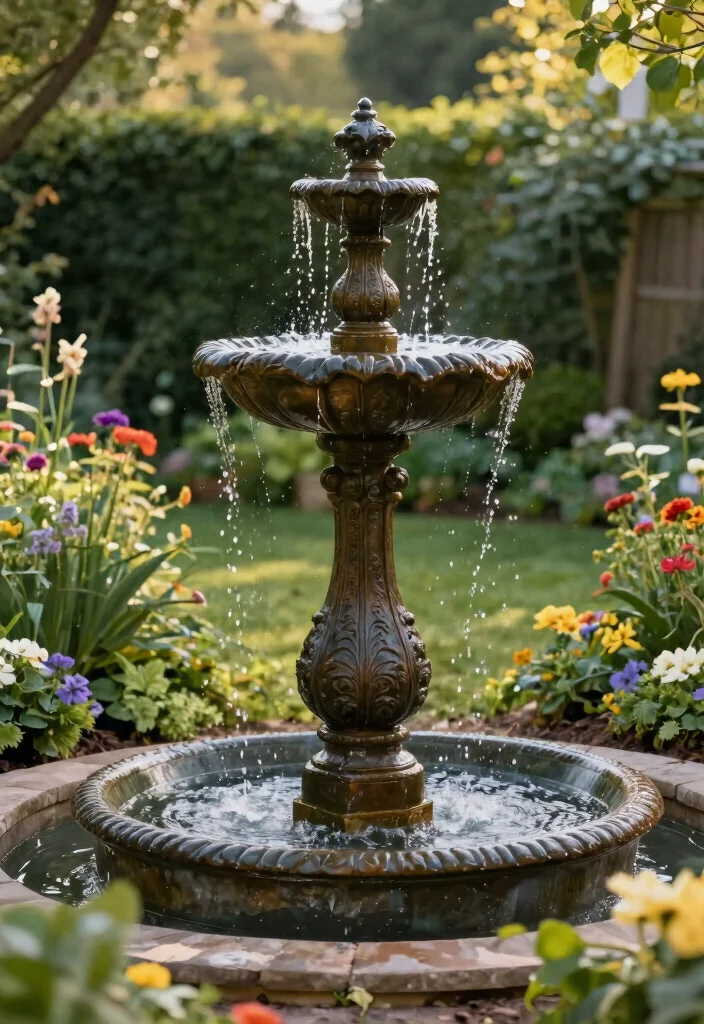
For timeless elegance and classic beauty, cast iron water features are an exceptional choice that enhances small gardens. These sturdy pieces, often designed as fountains or ornamental ponds, create a striking visual impact and are built to last. Cast iron’s durability and resistance to weather conditions make it a smart investment for any outdoor space.
When selecting a cast iron feature, consider its design and how it can be paired with flowers or landscaping for added flair. Proper drainage is essential to avoid water pooling, so plan your installation accordingly. These features can effortlessly elevate the aesthetic of your garden, providing an inviting focal point.
Reasons to opt for cast iron water features:
– Exceptional durability against harsh weather.
– Elegant designs that enhance garden appeal.
– Easily complement your existing plants and landscaping.
Regular cleaning will help prevent rusting, and keeping an eye on water levels ensures smooth operation. Cast iron water features can transform your garden into a charming sanctuary filled with character and style.
8. Tabletop Water Gardens
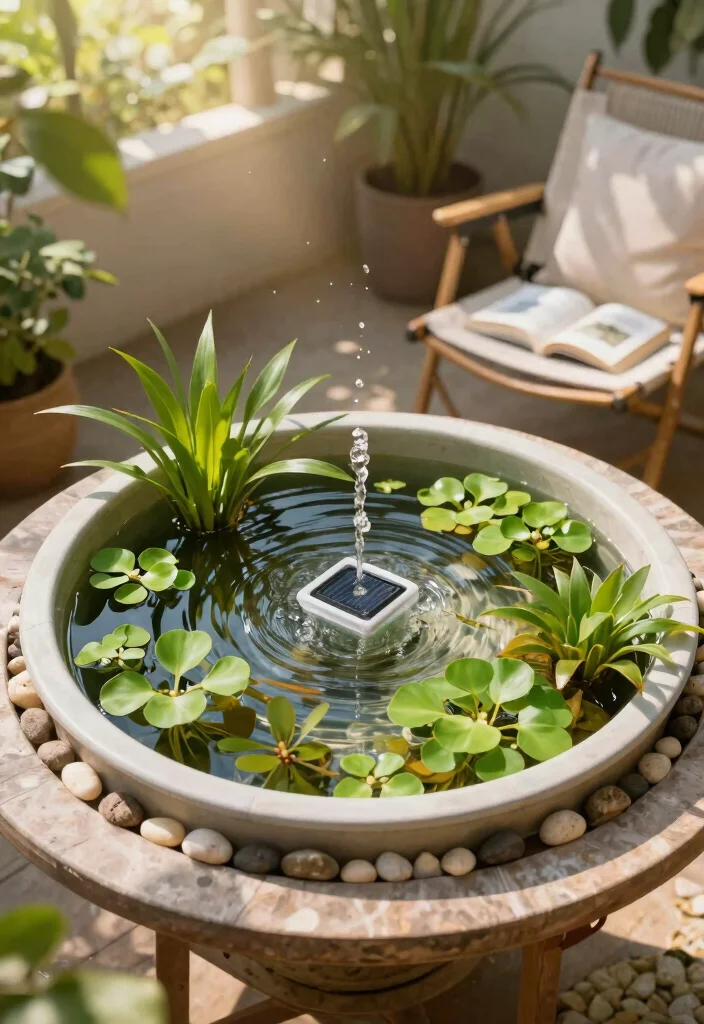
When space is limited, tabletop water gardens provide a compact yet enchanting alternative to larger water features. These miniature gardens can fit on a patio table or balcony, offering the soothing ambiance of water without requiring extensive real estate. By including aquatic plants and mini fountains, you can create a serene setting that invites relaxation.
To create your tabletop water garden, select a shallow container and fill it with water. Add aquatic plants like duckweed or water lettuce for greenery and a small solar-powered fountain for movement. Surround the container with decorative pebbles or stones to enhance its charm.
Steps for your tabletop water garden:
1. Pick a shallow, wide container for planting.
2. Fill with water and add aquatic plants.
3. Include a small fountain for sound and movement.
4. Decorate with pebbles or stones for visual appeal.
Changing the water regularly and monitoring plant health will keep your garden in balance. A tabletop water garden can become a peaceful retreat in your outdoor space, no matter how small.
9. Rain Gardens
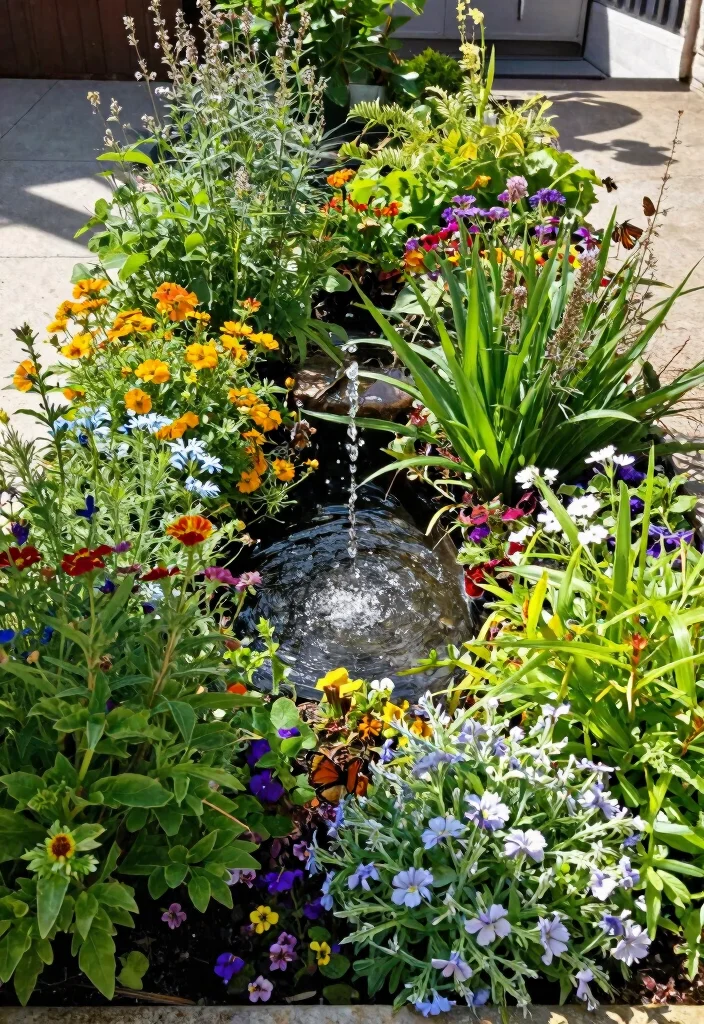
Rain gardens offer an eco-friendly solution for managing stormwater runoff while beautifying your landscape. By incorporating native plants, these gardens absorb rainwater, reducing flooding and encouraging biodiversity. Adding a water feature within your rain garden not only enhances its visual appeal but also supports local wildlife and promotes a healthy ecosystem.
To establish a rain garden, select a low area in your yard to capture runoff. Dig a shallow depression to allow water to collect and fill the space with native plants that thrive in wet conditions. Including a small pond or water feature can elevate the design and functionality.
Steps to create your rain garden:
1. Identify a low-lying area for collecting runoff.
2. Create a depression to hold water.
3. Plant native species that thrive in wet soil.
4. Add a pond or water feature for aesthetic enhancement.
Regular maintenance involves monitoring plant health and ensuring proper drainage. A rain garden can be both a stunning addition to your yard and a sustainable solution for managing water runoff.
Fun fact: Rain gardens can cut stormwater runoff by up to 30% after a rain. Native plants attract pollinators and improve biodiversity, turning a small urban yard into a sustainable outdoor water features showcase.
10. Wall-Mounted Water Features
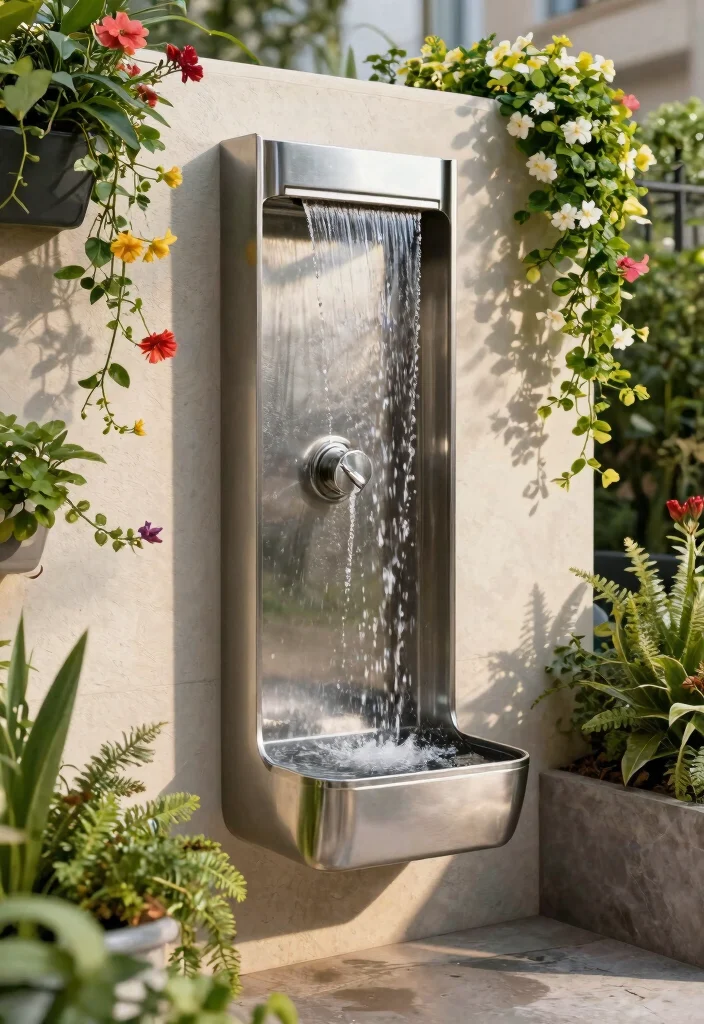
Wall-mounted water features are perfect for adding dimension to vertical gardens while providing the soothing sounds of flowing water. These stylish installations are designed to occupy minimal floor space while enhancing the visual appeal of any outdoor wall. Available in various materials such as stone, metal, and glass, you can select one that fits your garden’s aesthetic perfectly.
To install, securely mount the feature to a wall with access to water, and consider pairing it with climbing plants or hanging flowers for added beauty. These features are not only functional but also serve as a unique focal point in your garden.
Advantages of wall-mounted features:
– Space-saving design ideal for compact gardens.
– Unique visual appeal, creating a striking centerpiece.
– Customizable to fit your style and available area.
Regular cleaning will help prevent algae growth, and ensuring the water pump works properly will maintain consistent flow. Wall-mounted water features can rejuvenate your garden, making them a fantastic choice for small outdoor spaces.
11. Natural Springs
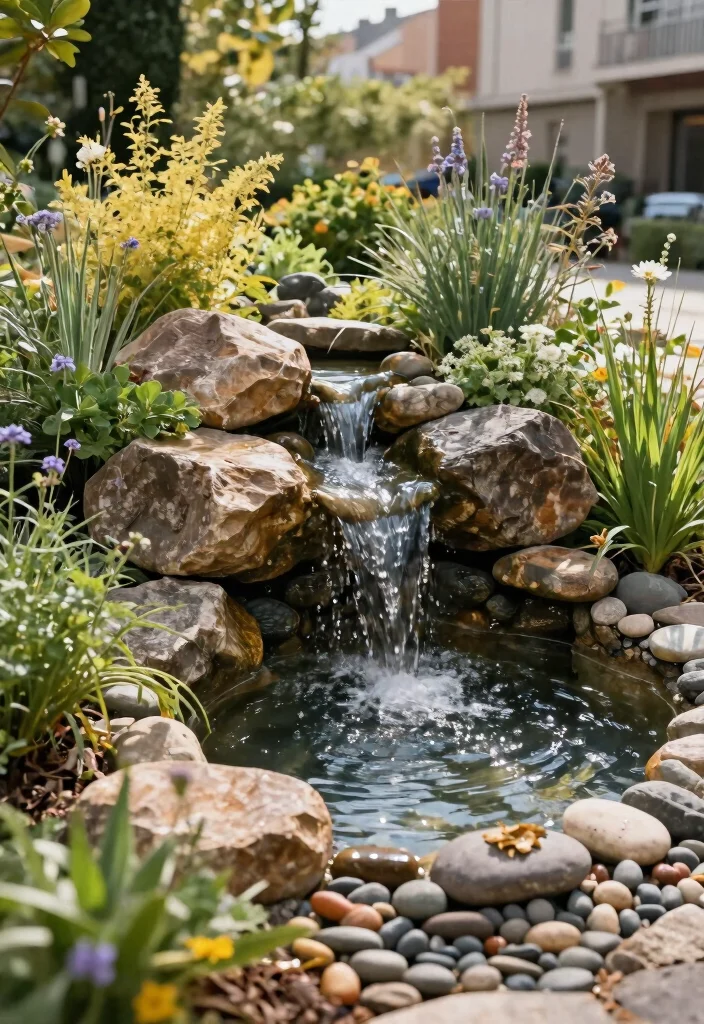
If you have a bit more room in your garden, creating a natural spring effect can be an enchanting way to enjoy outdoor water features without buried lines. This design mimics the appearance of a natural spring, using rocks, plants, and flowing water to cultivate a tranquil environment. The gentle sounds of water flowing contribute to the overall serenity of your space.
To create a natural spring, design a sloped area in your garden to allow water to flow. Use rocks and stones to craft a naturalistic appearance, complemented by surrounding plants for softness and texture. A hidden reservoir will help recirculate the water, maintaining a beautiful and functional feature.
Steps to create your natural spring:
1. Design a slope in your garden for water flow.
2. Arrange rocks to achieve a natural look.
3. Plant around the stream to add texture.
4. Use a hidden reservoir for water recirculation.
Regularly check for debris and water flow to keep your spring looking its best. A natural spring can significantly enhance your garden, providing a slice of nature in your outdoor oasis.
In small urban gardens, a natural spring makes your outdoor water features feel magical. Build a gentle slope, stack rocks, and plant beside it—then let water flow for a tranquil soundtrack and a zero buried-line setup.
12. Biodegradable Water Features
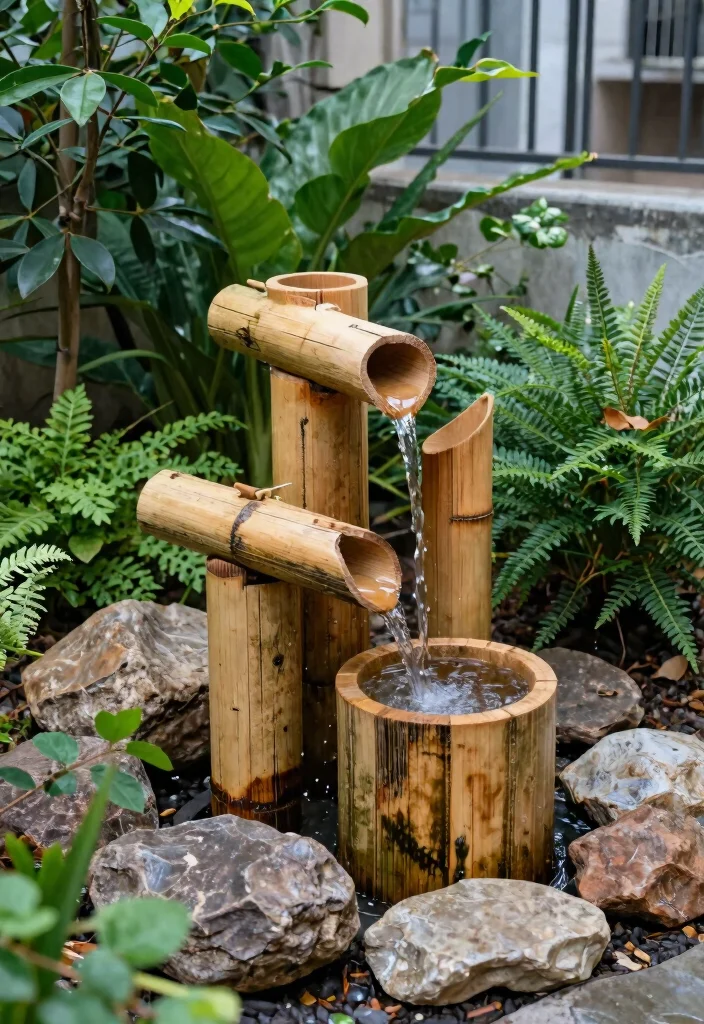
For sustainability enthusiasts, biodegradable water features offer a unique option that minimizes environmental impact while adding charm to your garden. Crafted from natural materials, these features break down over time, making them a temporary yet striking addition to your outdoor space. Ideal for seasonal use, they allow you to create beautiful displays without permanently altering your landscape.
To make a biodegradable water feature, you might use materials like bamboo or untreated wood paired with a small pump for recirculation. Adorn your feature with natural stones and plants to amplify its beauty. This approach not only reduces plastic waste but also encourages creativity in your garden design.
Benefits of biodegradable features:
– Environmentally friendly, reducing waste in landfills.
– Easily relocated or replaced as needed.
– Experiment with various designs for seasonal flair.
Regular maintenance will involve cleaning and replacing components as they naturally degrade. Biodegradable water features can add seasonal beauty to your garden while promoting sustainable practices.
Conclusion
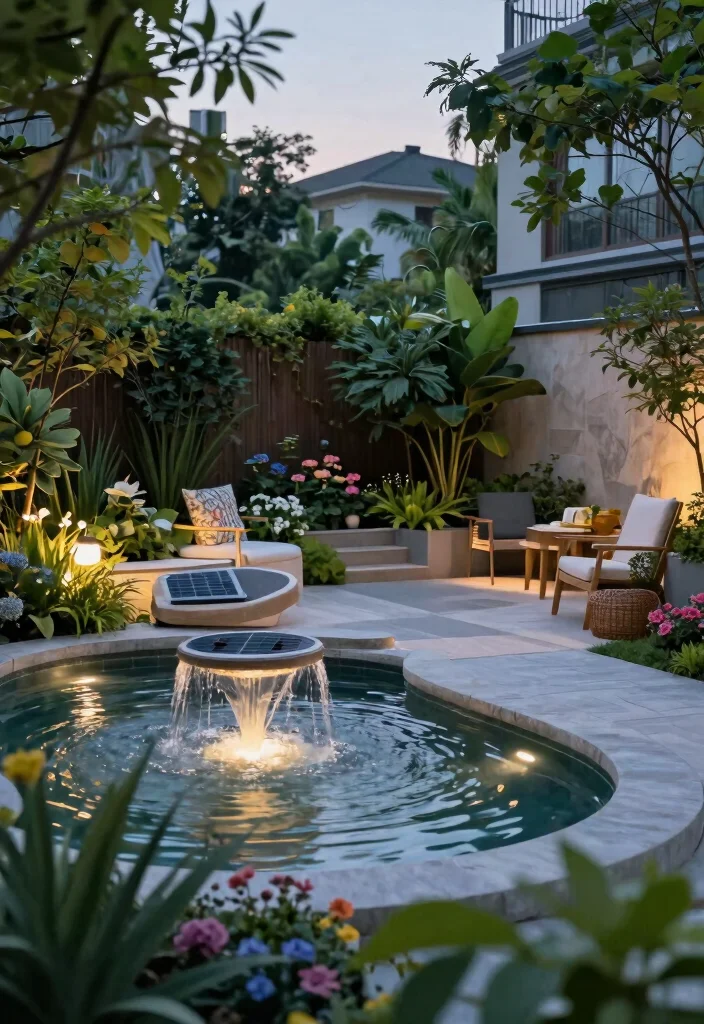
Incorporating outdoor water features into your small urban garden enhances its charm while promoting sustainable practices.
From solar-powered fountains to whimsical DIY water gardens, there are numerous options tailored to fit your space and style. Embrace the tranquility and beauty that water brings, and create an outdoor oasis that reflects your love for nature and eco-friendly living.
Explore versatile and innovative solutions that not only beautify your garden but also foster a deeper connection to the environment.
Frequently Asked Questions
What makes outdoor water features that run without a buried line a great option for small urban gardens?
They’re portable, easy to install, and perfect for tight spaces.
With outdoor water features like garden fountains and pondless waterfalls, you can enjoy the sound and motion of water without trenching for buried lines.
Start with a self-contained reservoir or a solar-powered kit, and plan sun exposure so the pump runs reliably.
For eco-friendly landscaping, reuse rainwater and choose compact designs that fit your footprint.
How do I choose the right pondless waterfall or garden fountain for a compact space?
First, measure the space and decide on priorities like flow, noise, and maintenance.
Compare pondless waterfalls and garden fountains for height, water speed, and sound, then select a self-contained kit with adjustable flow.
Use rocks, planters, and gravel to hide hoses and blend the feature into your landscaping.
If you have good sun, opt for a solar-powered option to keep running costs down, and ensure safe electrical setup with a GFCI outlet.
Are solar-powered water features reliable in low sun or winter?
Solar works best in bright sun, but performance drops in cloudy days and winter.
Choose a high-efficiency pump, position panels for maximum light, and consider a small backup battery or run only during sun hours to keep water moving.
In freezing climates, drain and store the pump or winterize the feature; a closed pondless design helps prevent ice damage while staying low maintenance.
What maintenance tips keep a DIY water garden healthy and eco-friendly?
Keep it healthy by cleaning debris weekly and checking the water level, topping up with rainwater when needed.
Avoid chemical additives; instead use shade, proper plantings, and native aquatic plants to control algae.
Inspect pumps and filters monthly, clean intake screens, and winterize by draining or storing the pump if frost is possible.
Embrace eco-friendly landscaping by collecting rainwater, mulching around features, and choosing drought-tolerant natives.
How can I design a budget-friendly DIY water garden that runs without buried lines?
Start small with one feature, reuse containers and found rocks, and use a solar-powered pump kit to cut energy costs.
Plan a compact layout that fits sunniest spot for best performance, and pick native plants to reduce maintenance.
Compare kits and materials to stay under budget, and design for easy expansion later as you experiment with eco-friendly landscaping ideas.
Related Topics
outdoor water features
garden fountains
pondless waterfalls
solar-powered features
DIY water gardens
eco-friendly landscaping
urban gardening
sustainable design
small space solutions
beginner friendly
water feature maintenance
creative landscaping